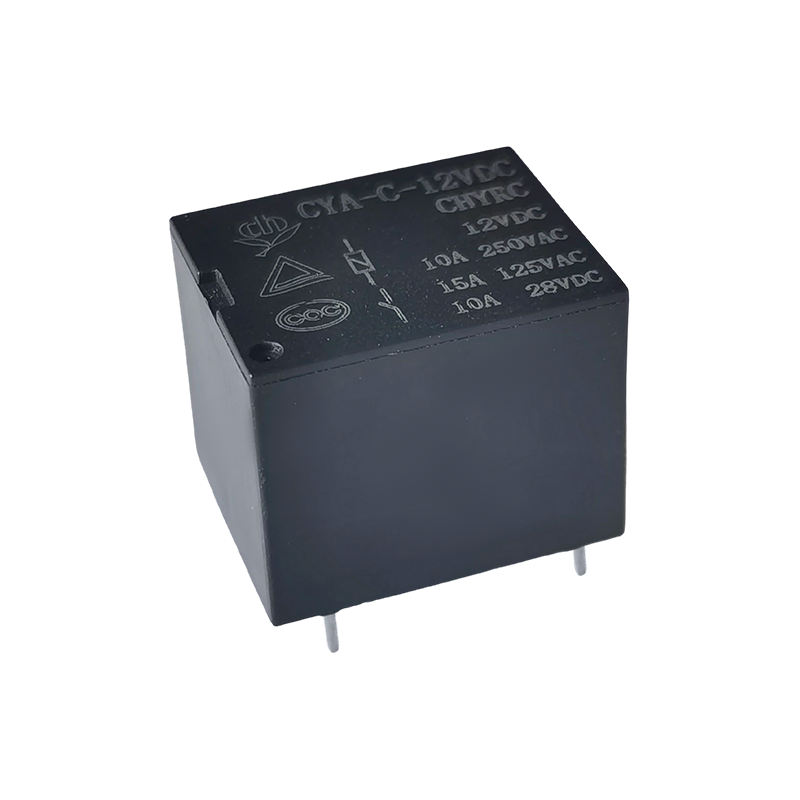
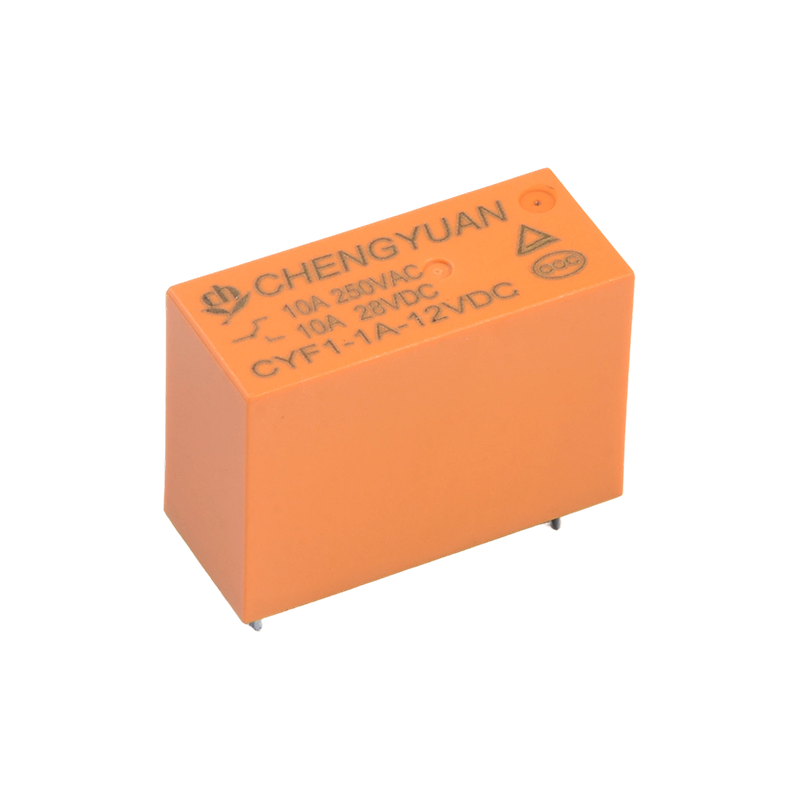
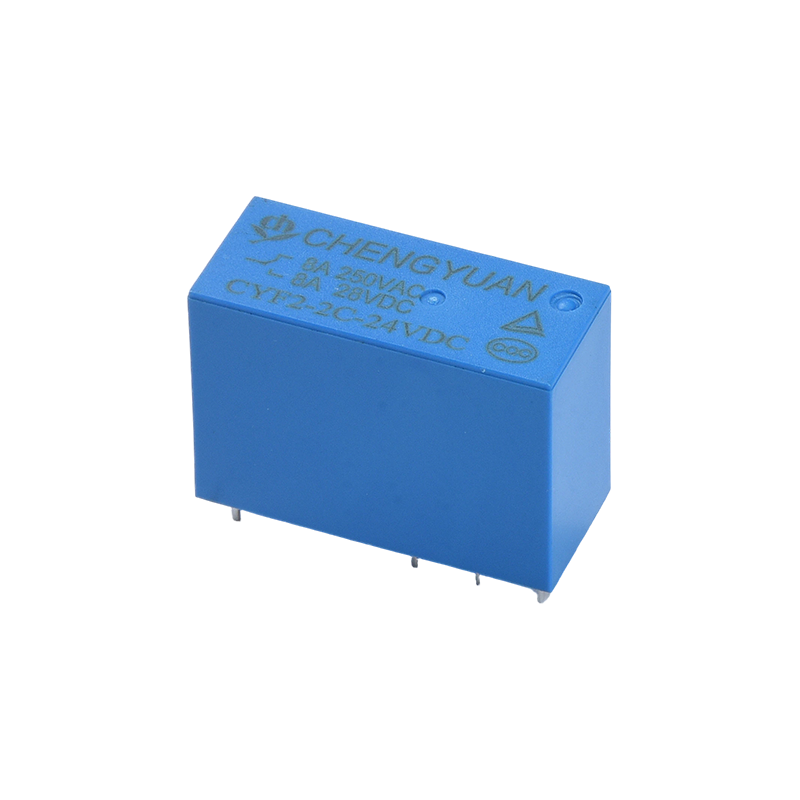
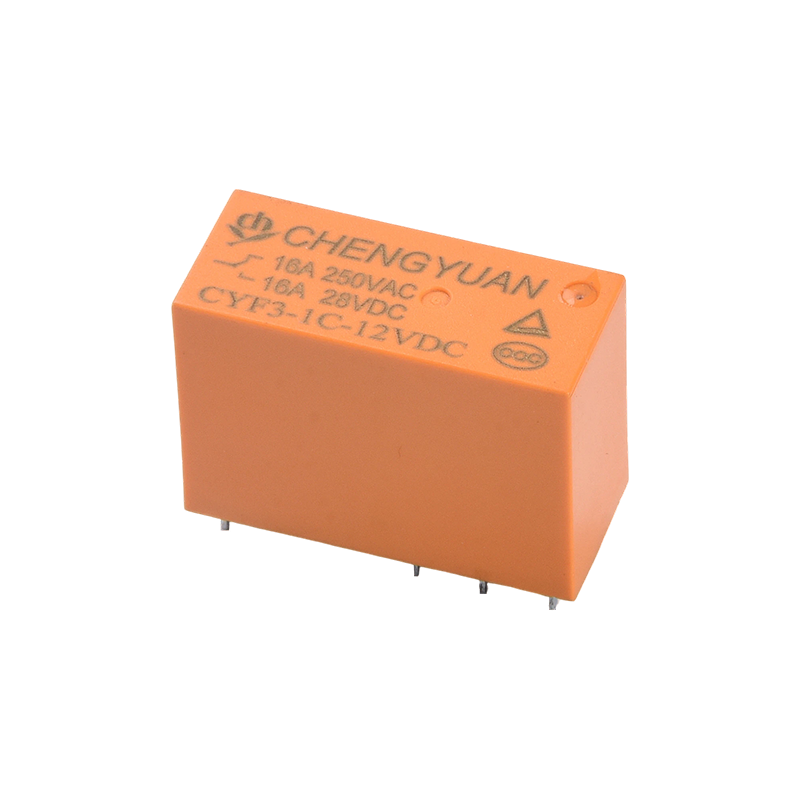
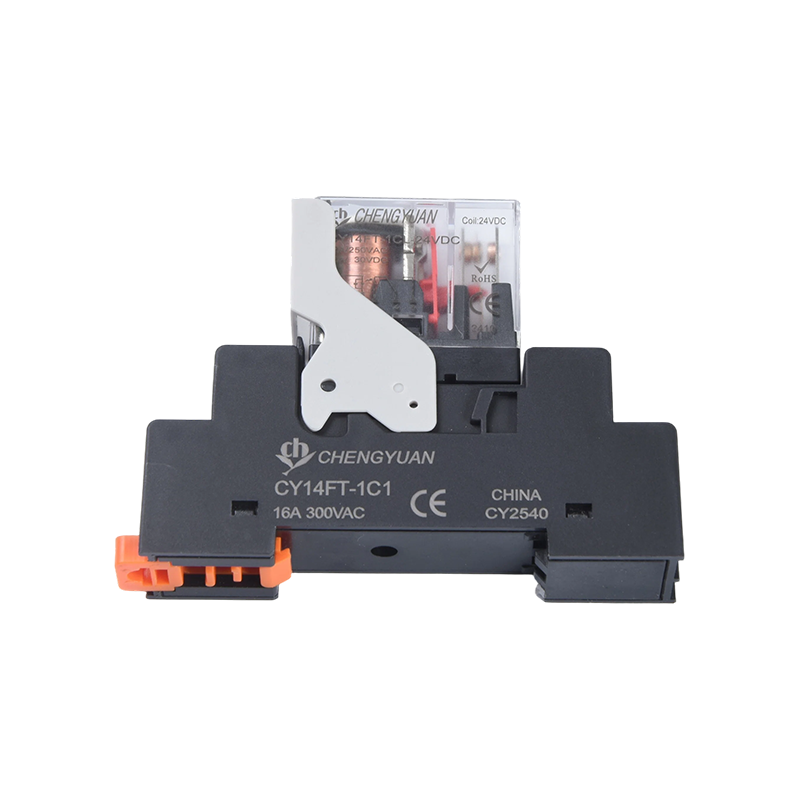
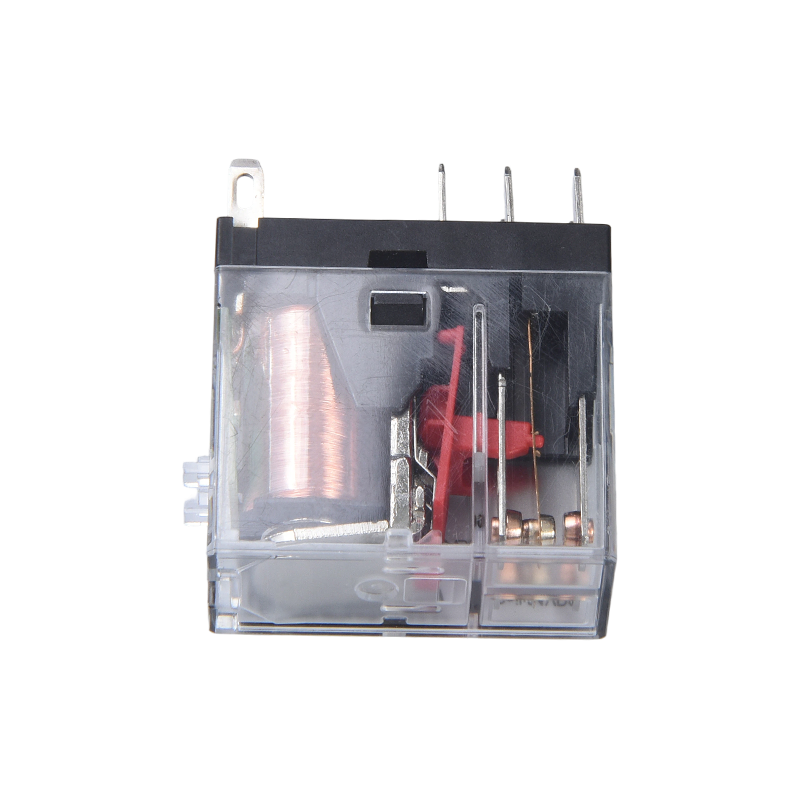
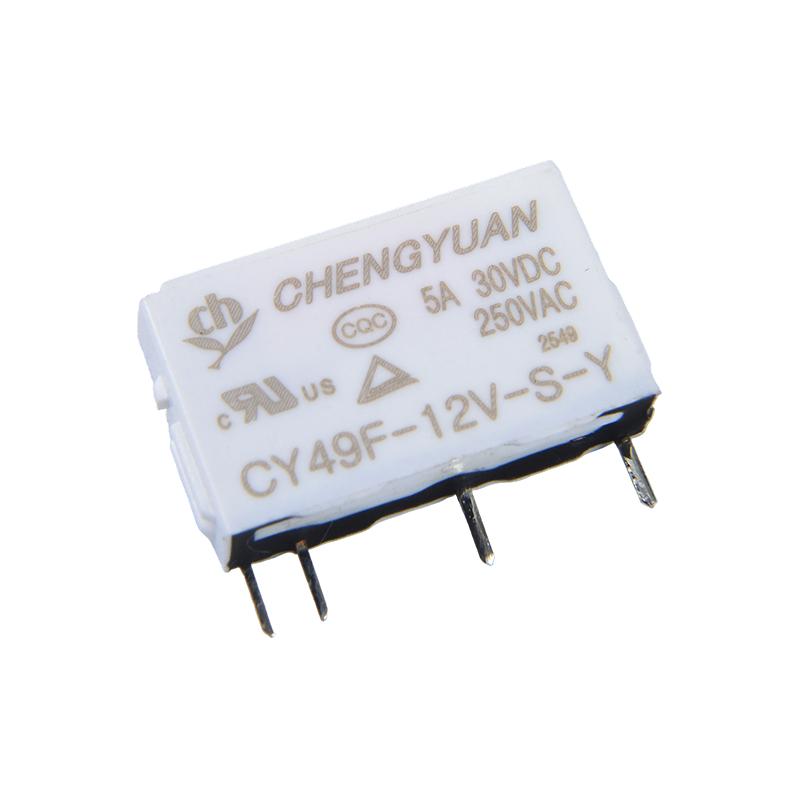
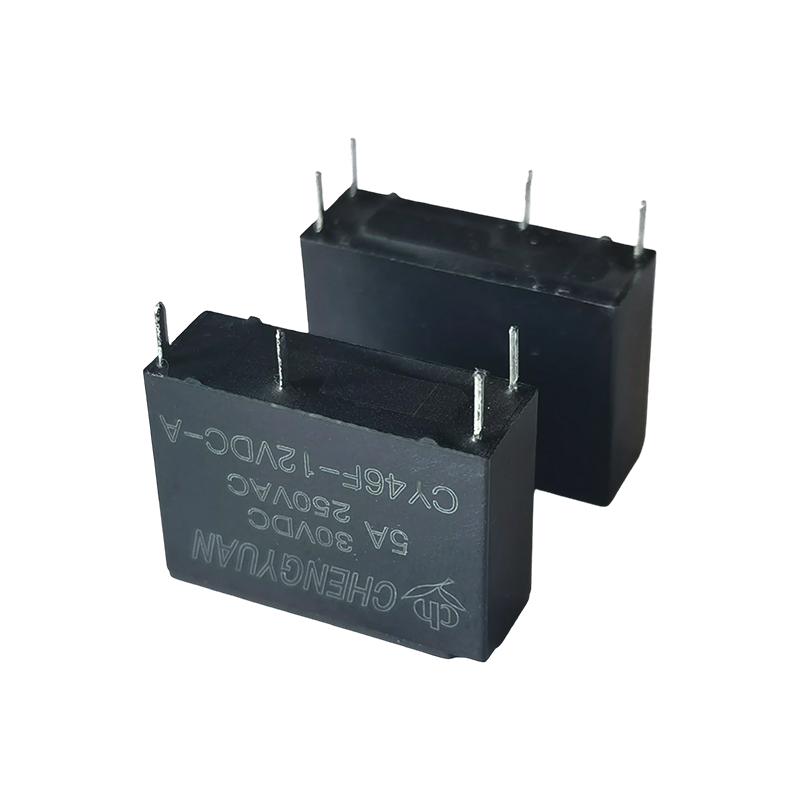
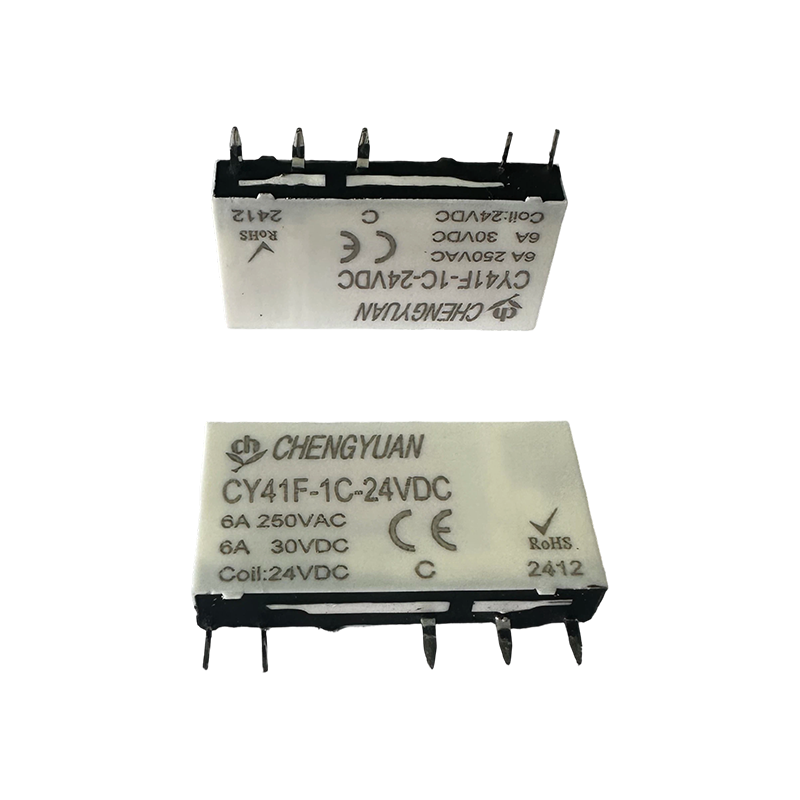
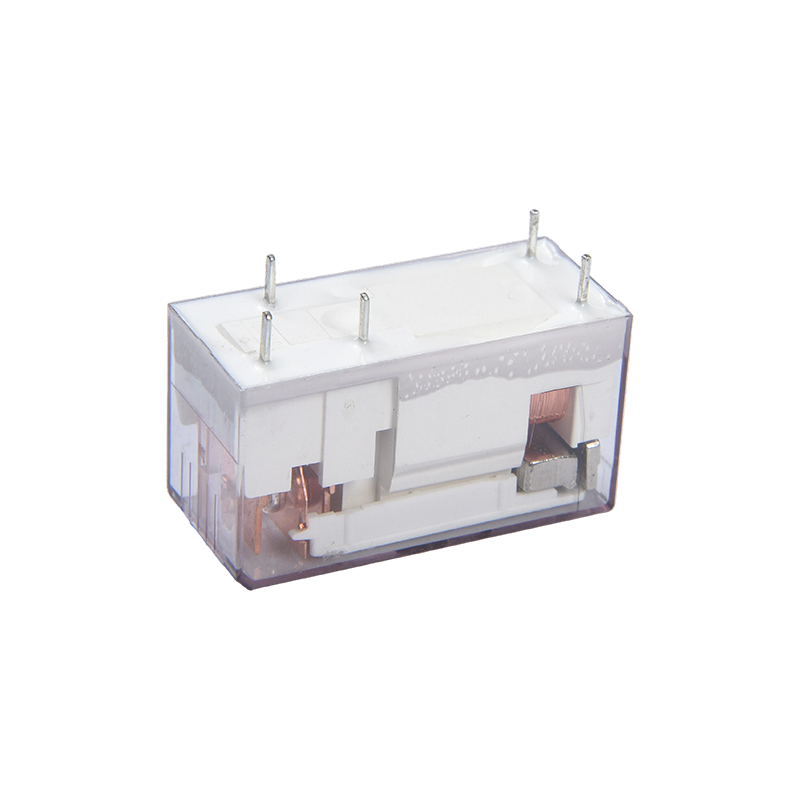
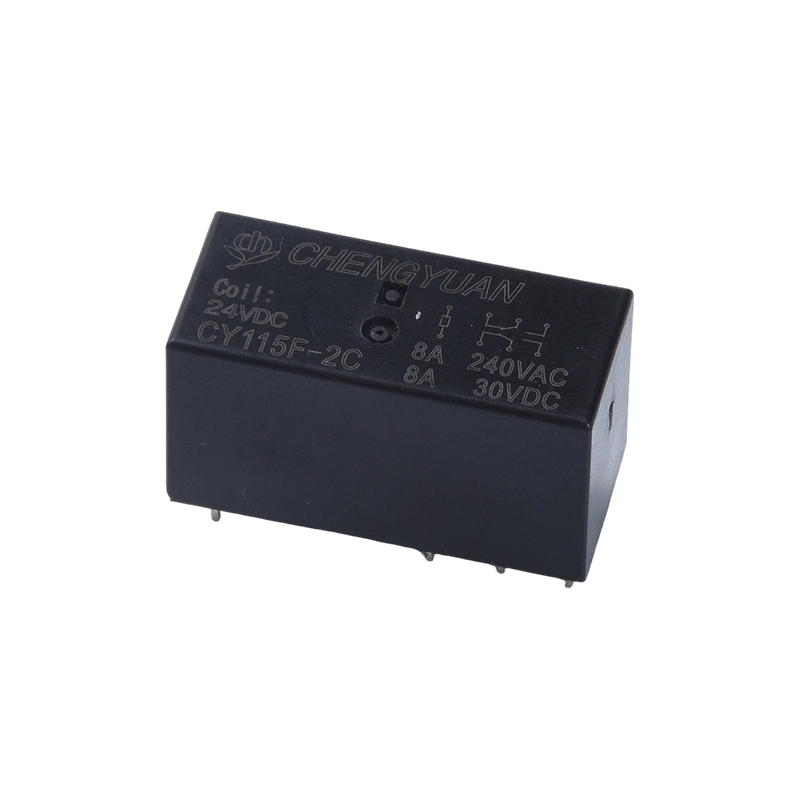
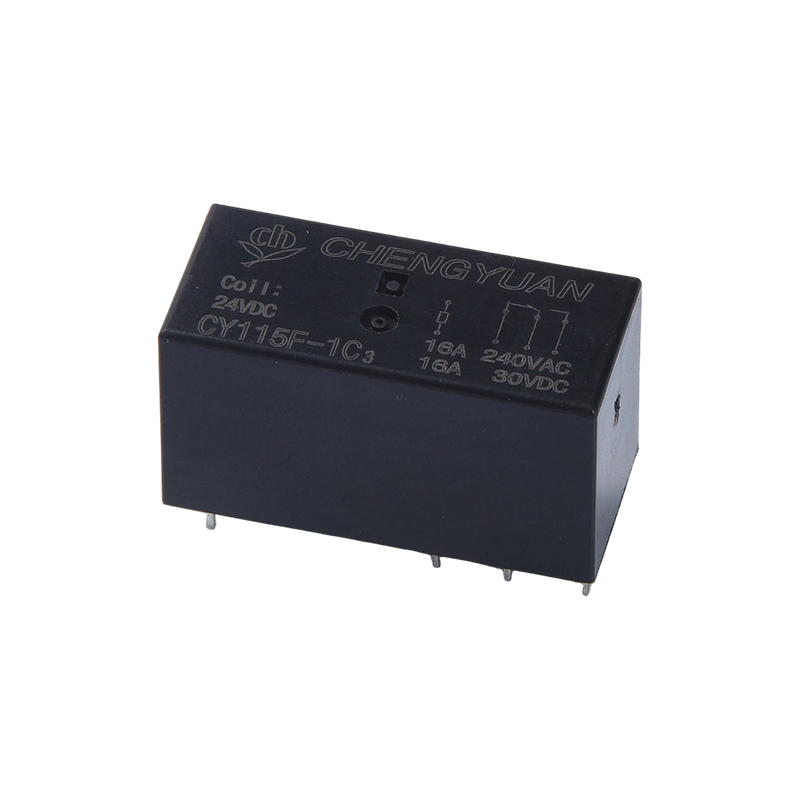
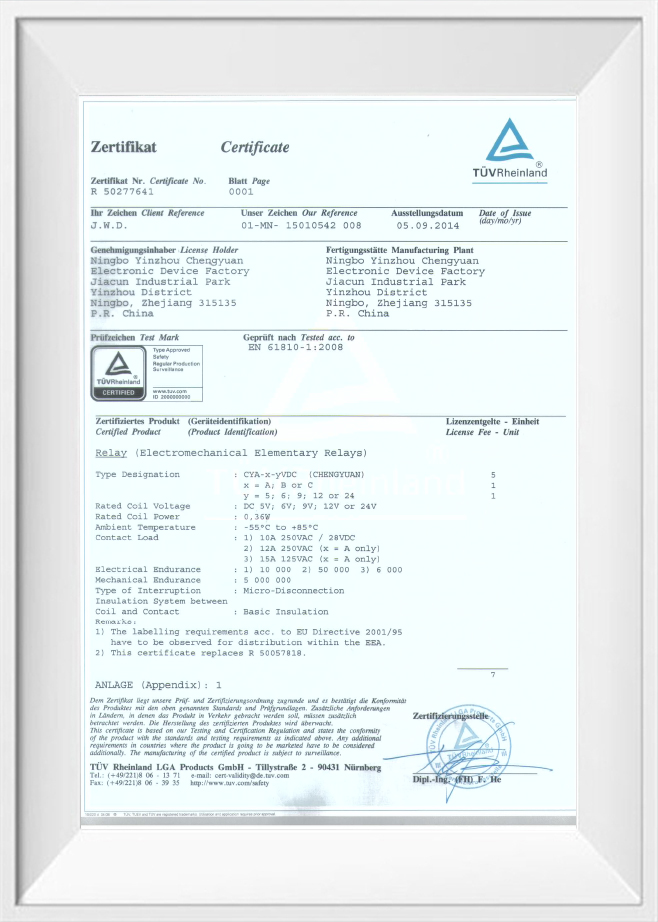
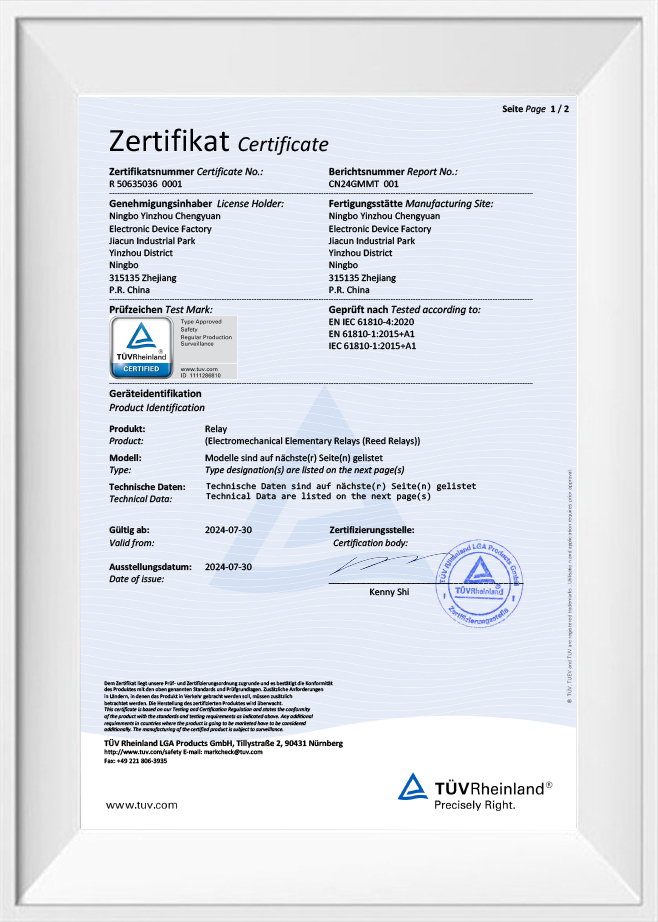
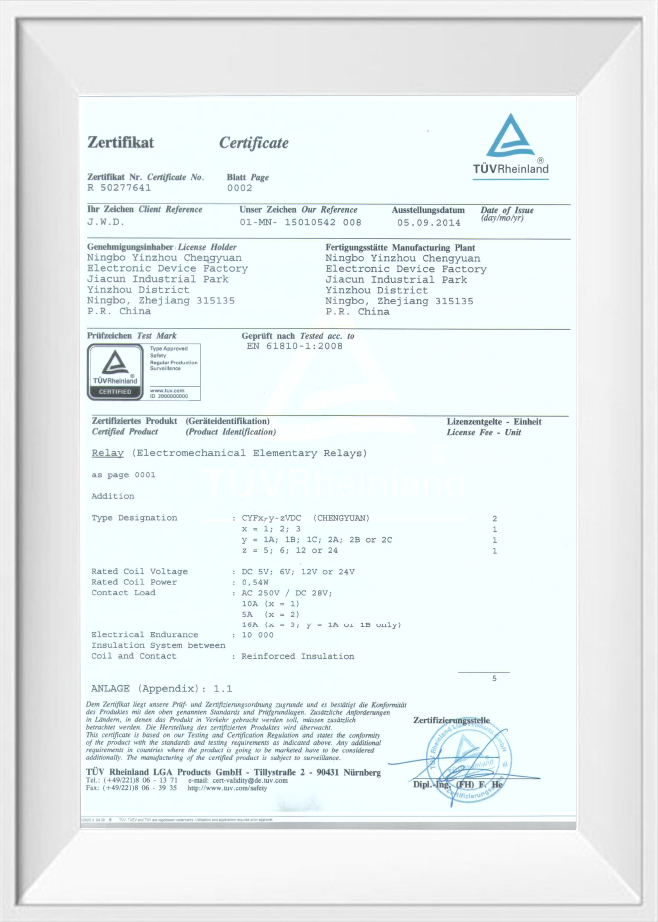
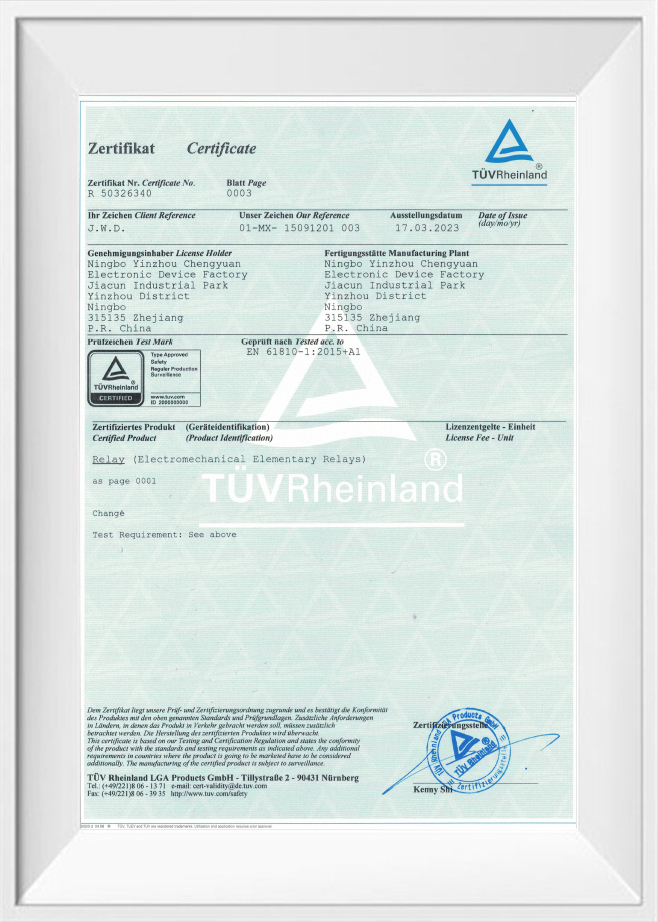
General purpose electromagnetic relay is an electromechanical control component that works based on the principle of electromagnetic induction. It drives the contact to operate by the electromagnetic force generated by the switching of the coil, thereby controlling the on and off of the circuit. It can effectively isolate weak current control signals from strong current load circuits and is suitable for a variety of electrical control scenarios.
About Us
Ningbo Chengyuan Chuangke Electronics Co., Ltd.
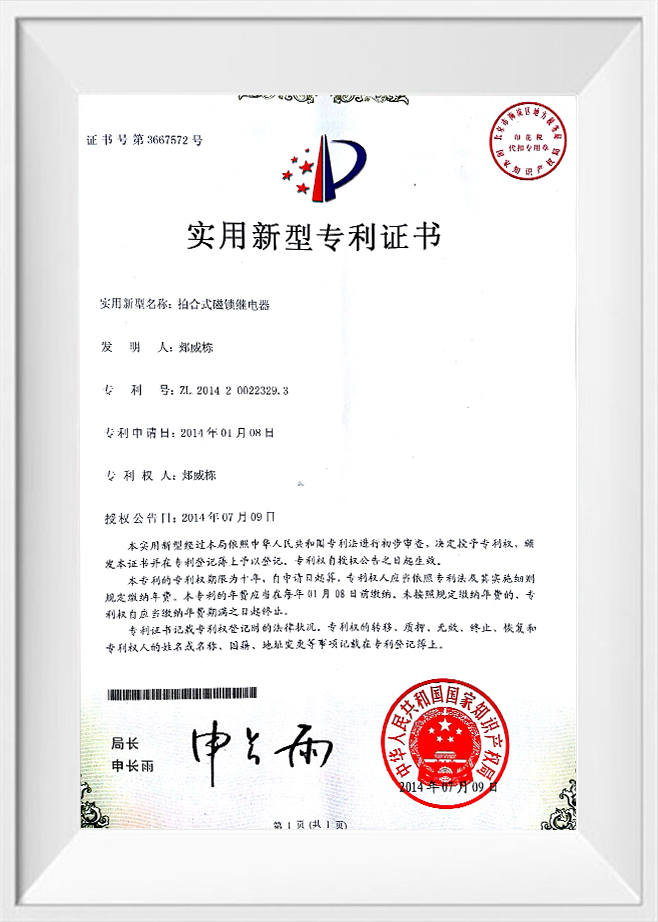
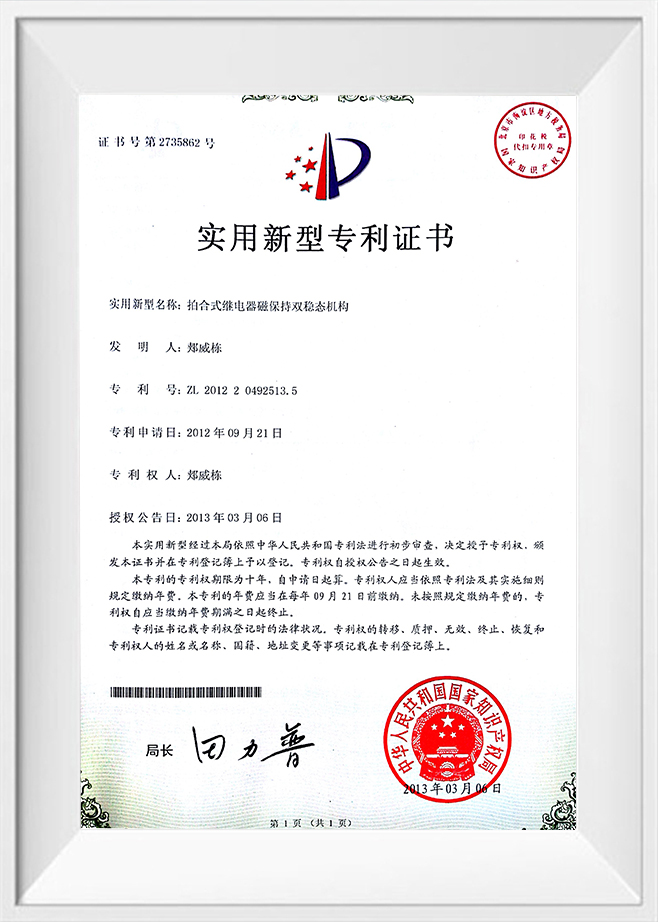
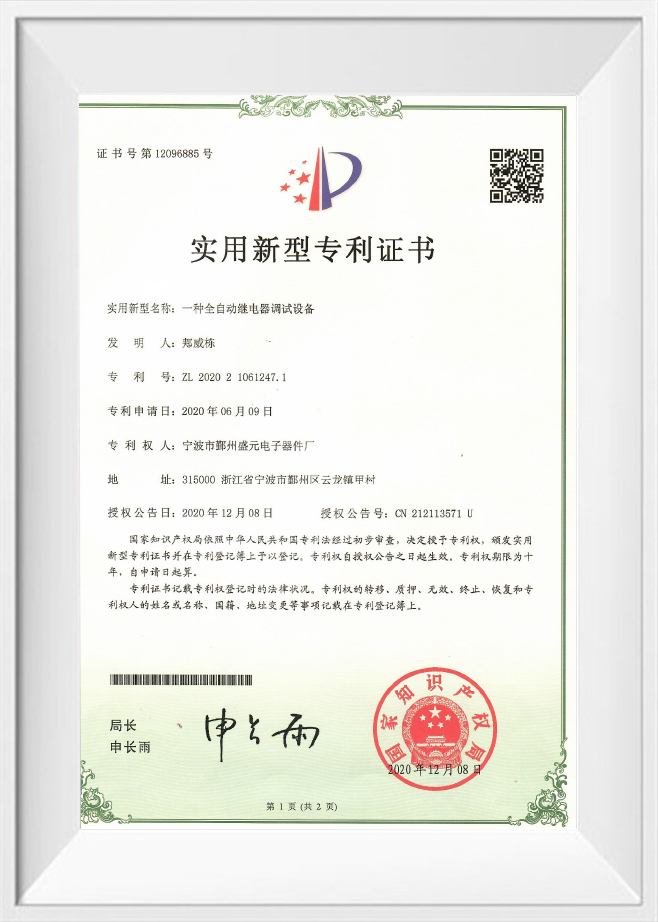
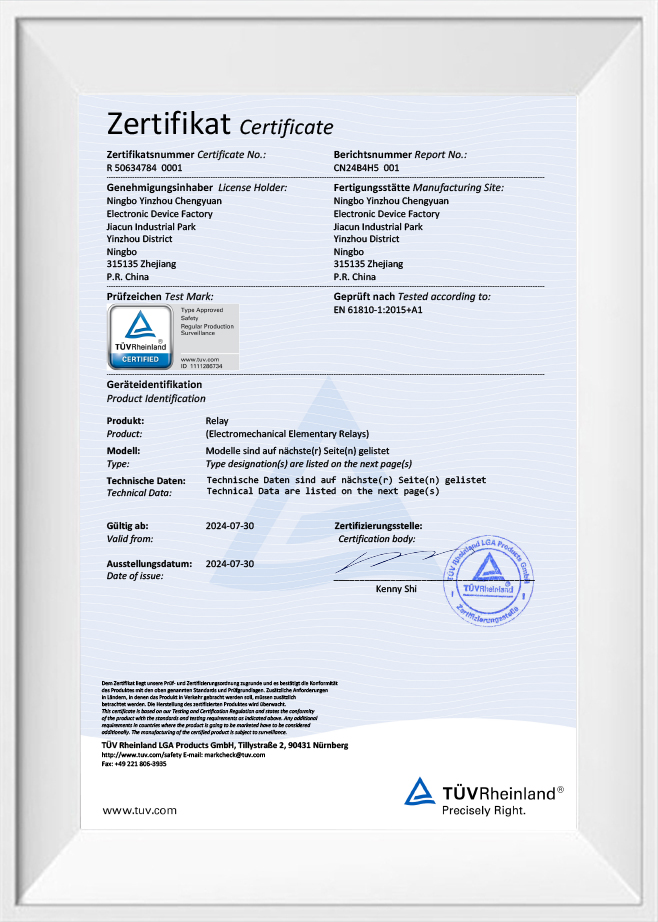
Ningbo Chengyuan Chuangke Electronics Co., Ltd. is a China OEM/ODM General Purpose Relay Manufacturer and Electromagnetic Control Relay Supplier, subsidiary of Ningbo Yinzhou Chengyuan Electronic Device Factory. Having been deeply engaged in relay manufacturing for nearly 30 years, we are a professional manufacturer integrating R&D, production, and sales. With the core principle of "honesty as the foundation and quality as the soul", we rely on efficient teamwork to build a reputation for reliable products. The factory has introduced automated production equipment, selected high-quality materials, and strictly controlled the entire process quality to ensure the stability and durability of the products. Based on the domestic market, we actively expand our international layout. With excellent quality and honest services, we have won the recognition of customers both at home and abroad. We always adhere to our original intention and empower industrial upgrading through technological innovation. We are committed to becoming a reliable partner in the relay field.
A packaging line loses its motor starter in the middle of a shift. The contactor coil has been tested and the overload relay is reset, but the PLC still shows the motor as running. The technician opens the cabinet and finds the contactor is open. No feedback is wired back to the...
A maintenance electrician at a bottling line reaches for a replacement contactor after the original coil fails. The replacement sits on the bench, and the wiring diagram on the side of the old unit is torn. In most contactors, the coil terminals are labeled A1 and A2. Getting th...
A Reed relay works by using an electromagnetic coil to create a magnetic field that pulls two thin ferromagnetic reed blades together inside a sealed glass tube, closing an electrical circuit. When current flows through the coil, the magnetic flux magnetizes the overlapping end...
General purpose electromagnetic relay Industry knowledge
What a General Purpose Relay Is Built to Do
A general purpose relay is an electromechanical switching device designed to handle a wide range of everyday control tasks without requiring a specialized design for each application. Unlike relays engineered for a single narrow use case, a general purpose electromagnetic relay is built with balanced specifications across coil voltage, contact rating, and switching speed, which is exactly why it shows up so often in control panels, appliance circuits, and small automation systems. Because it functions as a flexible electromagnetic control relay, it can be dropped into many different circuits without extensive redesign, saving engineering time during the early stages of a project.
The practical benefit of this flexibility is standardization: a single relay family can often cover multiple functions across a product line, reducing the number of unique parts an engineering team needs to manage. This article walks through measured performance data, structural comparisons, and selection guidance so the strengths and boundaries of a general purpose relay are clear before it gets specified into a new design.
Baseline Performance Across Common Specifications
Before comparing a general purpose electromagnetic relay against more specialized designs, it helps to look at how it performs across the specifications engineers check most often: contact rating, coil sensitivity, insulation resistance, switching speed, mechanical life, and operating temperature range. The horizontal bar chart below scores each specification on a 0-100 index built from typical datasheet ranges for this relay category. A pattern quickly becomes visible: coil sensitivity and switching speed score highest, which reflects the relay's design priority of responding quickly to low-power control signals. Mechanical life and contact rating sit in the middle, adequate for general control duty but not pushed to the extremes seen in heavy-duty industrial switching. This balance is intentional, since a relay meant to serve many applications cannot be optimized for only one metric.
The overall profile confirms that a general purpose relay is optimized for responsiveness and broad compatibility rather than pushing any single specification to its limit. This makes it a practical default choice for engineers who need a dependable electromagnetic control relay without committing to a highly specialized part early in the design process.
Switching Consistency Across an Extended Duty Cycle
A relay that performs well on paper still needs to hold up under repeated switching over its rated life. The line chart below tracks coil response time in milliseconds for a general purpose electromagnetic relay as it moves through five stages of an extended duty cycle test, from an early 25,000 operations up to 300,000 operations. A slight upward drift in response time is normal as internal components settle and contact surfaces experience minor wear, but the key thing to watch for is whether that drift stays gradual and predictable. In this test, response time increases only marginally, which indicates that the coil and armature assembly maintain consistent behavior well past typical maintenance intervals. This kind of stability is particularly relevant for control panels where timing consistency affects downstream logic, not just the relay itself.
Response time moves from roughly 7ms at 25,000 cycles to about 12ms at 300,000 cycles, a change that stays well within the tolerance most control circuits can absorb without any functional impact. This gradual pattern is a strong indicator of a well-manufactured electromagnetic control relay, since a sudden jump at any stage would typically point to a mechanical or material issue rather than normal wear.
Common Application Categories in the Field
Because a general purpose relay is designed for broad compatibility, it appears across a wide mix of control applications rather than being tied to one industry. The vertical bar chart below shows a typical breakdown of where this relay category is applied in practice, based on aggregated field usage patterns. Appliance and equipment control leads the distribution, followed closely by industrial control panels, lighting and HVAC systems, and small-scale automation projects. This spread illustrates why a general purpose relay is often the first component engineers reach for during prototyping, since it can usually be swapped later for a more specialized part once final load and cycling requirements are confirmed.
Appliance and equipment control accounts for roughly 30% of typical deployment, which lines up with the relay's moderate load capacity and compact footprint. Industrial panels remain a strong secondary use case, particularly for interlocks and indicator circuits where a full-scale power relay would be unnecessarily oversized for the task.
How It Compares Against More Specialized Relay Types
A radar chart makes it easier to see where a general purpose electromagnetic relay sits relative to more specialized alternatives, since it plots multiple dimensions at once instead of collapsing everything into one score. The chart below compares a general purpose relay against a specialized power-duty relay across five dimensions: load capacity, switching speed, application versatility, size compactness, and mechanical durability. The general purpose relay forms a more balanced, evenly rounded shape, while the specialized relay stretches further on load capacity and durability but pulls inward on versatility and compactness. This kind of comparison is useful during early design reviews, since it visually communicates the trade-off between broad applicability and peak performance in any single dimension.
The comparison shows that a general purpose relay maintains a more even shape across versatility, compactness, and switching speed, while a specialized relay extends further on load capacity and durability at the cost of flexibility. Neither shape is objectively better; the right choice depends entirely on whether the application needs broad adaptability or maximum performance in one specific dimension. For many control circuits, the balanced profile of a general purpose relay is exactly what keeps a design simple and easy to service.
Practical Selection Guidance
Specifying a general purpose relay correctly starts with matching a handful of core parameters to the circuit it will serve. The table below summarizes guidance across common scenarios where this relay category is typically the right fit versus situations that call for a more specialized electromagnetic control relay instead.
When to Use a General Purpose Relay
Table 1: Scenario-based guidance for general purpose relay selection
Scenario
Suitable Choice
Reason
Appliance interlock
General Purpose Relay
Moderate load, compact size
Prototype control board
General Purpose Relay
Fast sourcing, broad compatibility
Heavy motor switching
Specialized Power Relay
Requires higher inrush tolerance
High-frequency signal routing
Specialized Signal Relay
Needs lower contact resistance
A few additional checks help confirm a general purpose relay is the right fit before finalizing a design:
Confirm the coil voltage tolerance aligns with the control circuit's actual operating range.
Check that the contact rating covers the load current with reasonable margin.
Review expected switching frequency against the relay's mechanical life rating.
Account for ambient temperature and enclosure space when selecting a form factor.
Evaluate whether a specialized relay would offer meaningful benefit before defaulting to general purpose.
The balanced performance profile shown earlier depends heavily on manufacturing consistency. Coil winding precision, contact material selection, and spring tension all need to stay within tight tolerances across production batches for a general purpose electromagnetic relay to behave predictably from unit to unit. Automated assembly and in-process testing help reduce variation, which matters most in applications where dozens or hundreds of relays operate together across a control panel, since even small inconsistencies can compound into noticeable differences in system behavior.
Process controls such as dielectric testing, coil resistance verification, and mechanical cycling checks are standard steps that support the stable response-time curve discussed earlier in this article. For engineers evaluating suppliers, asking about these quality checkpoints is often more informative than comparing datasheets side by side, since two relays with identical published specifications can still behave differently in the field depending on how consistently they were manufactured.
About Ningbo Chengyuan Chuangke Electronics Co., Ltd.
Ningbo Chengyuan Chuangke Electronics Co., Ltd. is a subsidiary of Ningbo Yinzhou Chengyuan Electronic Device Factory. Having been deeply engaged in relay manufacturing for nearly 30 years, the company operates as a professional manufacturer integrating R&D, production, and sales of general purpose relay and related electromagnetic control relay products. Its core principle, "honesty as the foundation and quality as the soul," is supported by efficient teamwork aimed at building a reputation for reliable products across both domestic and international markets.
The factory has introduced automated production equipment, selects high-quality materials, and applies strict process controls across the entire production chain to support the stability and durability of finished units. Based on the domestic market, the company actively expands its international layout, and its focus on quality and honest service has helped it build recognition among customers both at home and abroad. Guided by continued technological innovation, Ningbo Chengyuan Chuangke Electronics Co., Ltd. works to empower industrial upgrading and aims to remain a dependable partner for organizations sourcing general purpose electromagnetic relay solutions.
Frequently Asked Questions
Q1: What makes a relay "general purpose" rather than specialized?
A1: A general purpose relay is designed with balanced specifications across coil sensitivity, contact rating, and switching speed so it can serve many different circuits, rather than being optimized for one narrow application.
Q2: Is a general purpose electromagnetic relay suitable for industrial control panels?
A2: Yes, it is commonly used for interlocks, indicator circuits, and moderate-load switching in industrial panels, though heavy motor loads typically call for a more specialized power relay.
Q3: How does switching consistency change over the relay's operating life?
A3: Response time typically increases only gradually across hundreds of thousands of cycles, which reflects normal component settling rather than a sign of premature wear.
Q4: When should an engineer choose a specialized relay instead of a general purpose one?
A4: A specialized relay is generally preferable when the application demands high inrush current tolerance, very low contact resistance, or performance at the extreme end of a single specification.
Q5: What manufacturing factors most influence relay reliability?
A5: Coil winding precision, contact material quality, and consistent process controls such as dielectric and mechanical cycling tests are the main factors that determine how predictably a relay performs across production batches.

 English
 中文简体
中文简体 Español
 +86 15397227212