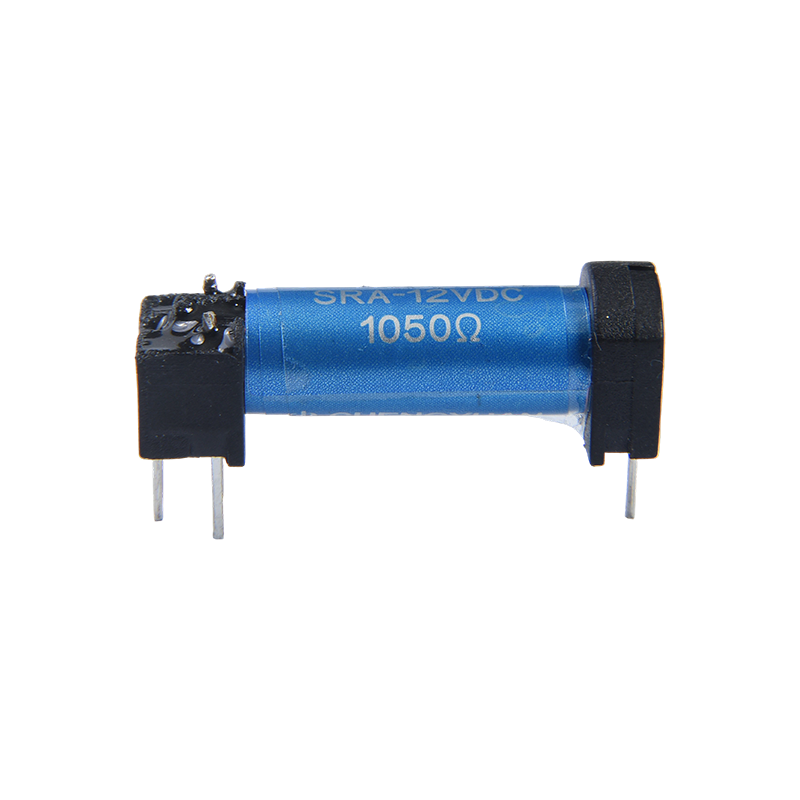
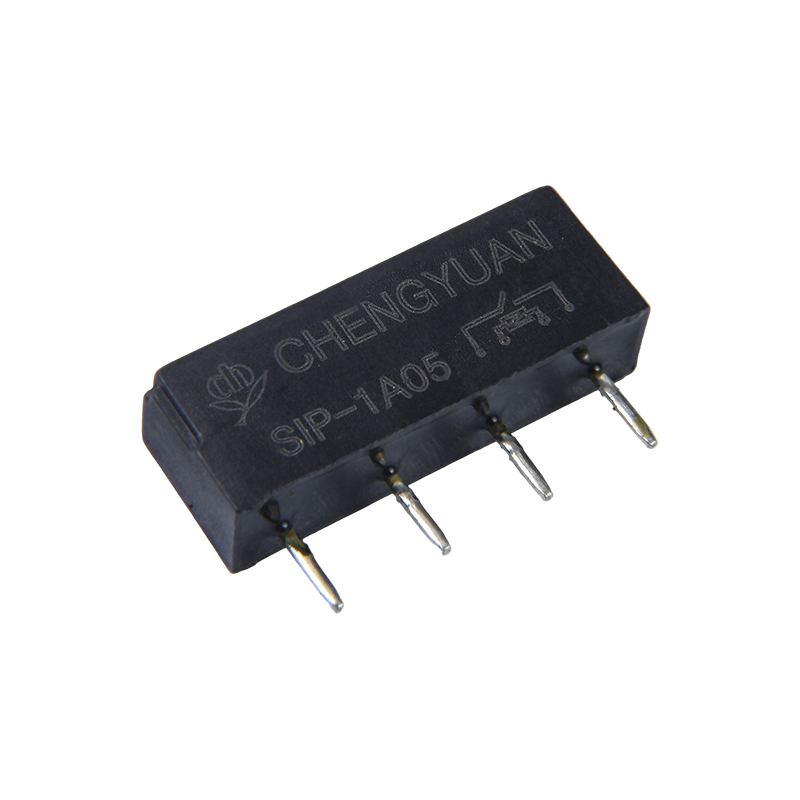
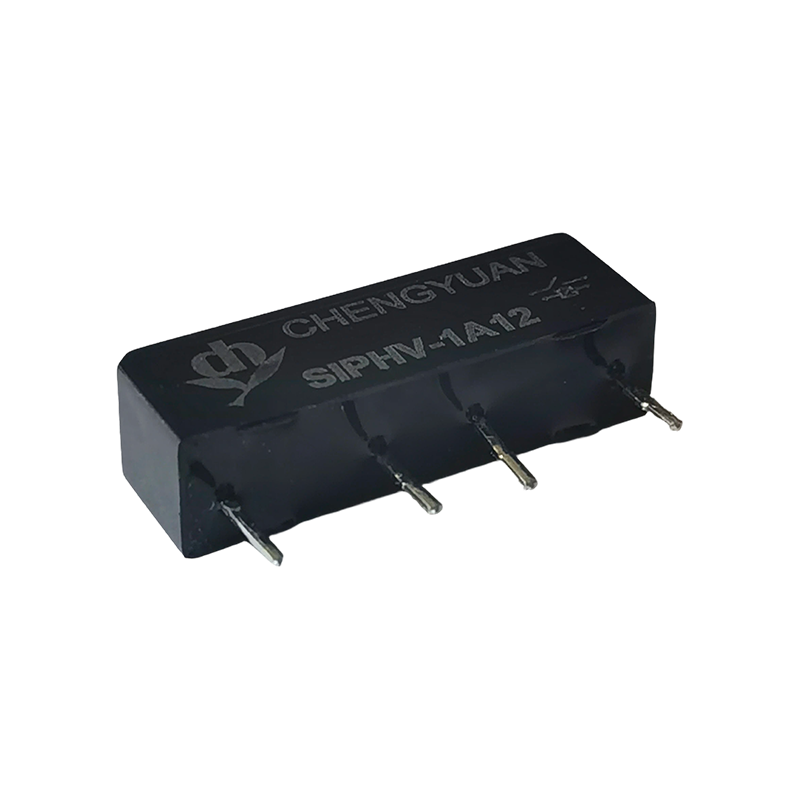
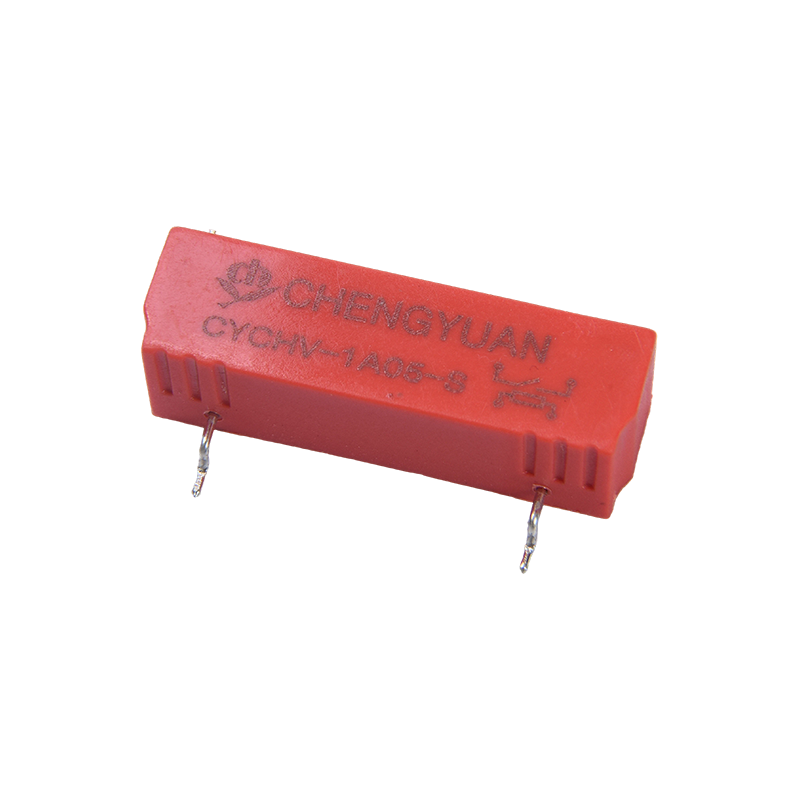
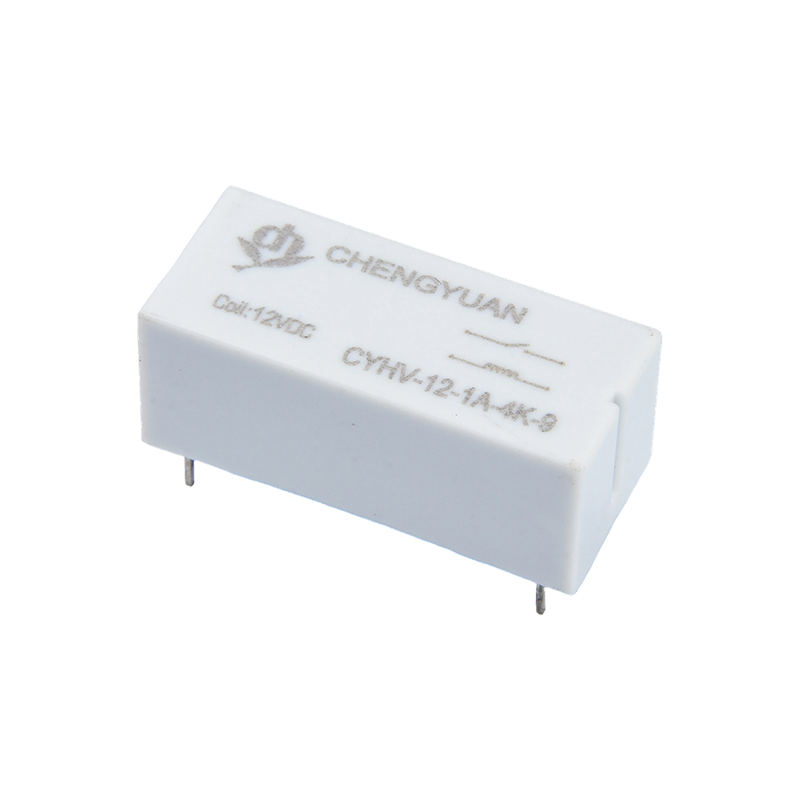
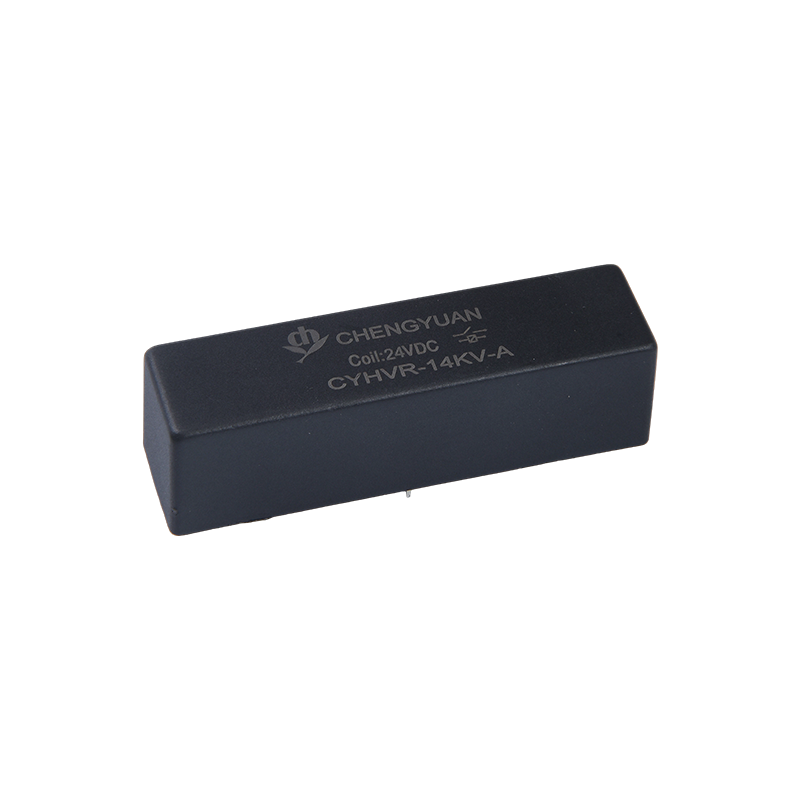
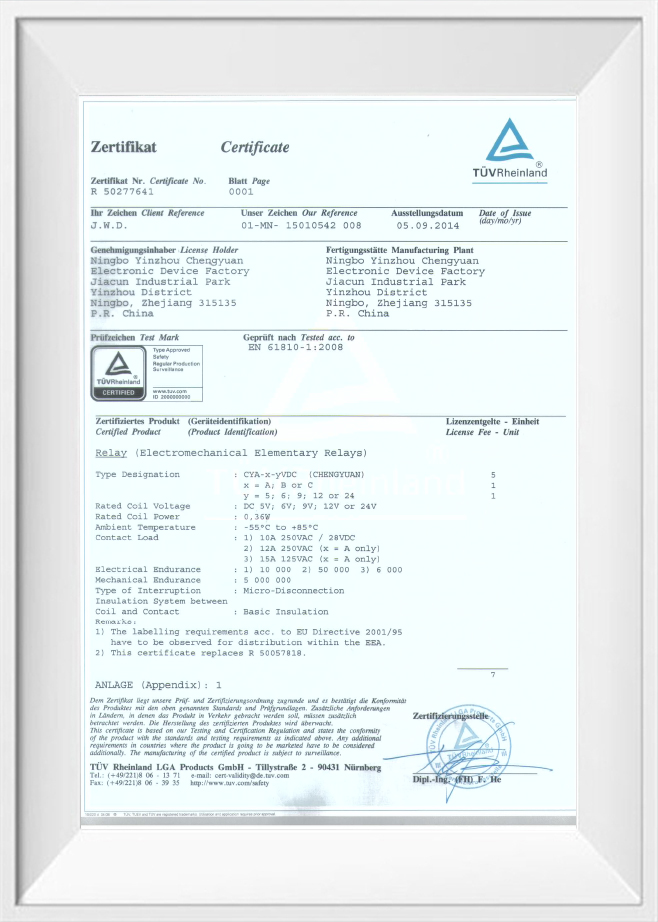
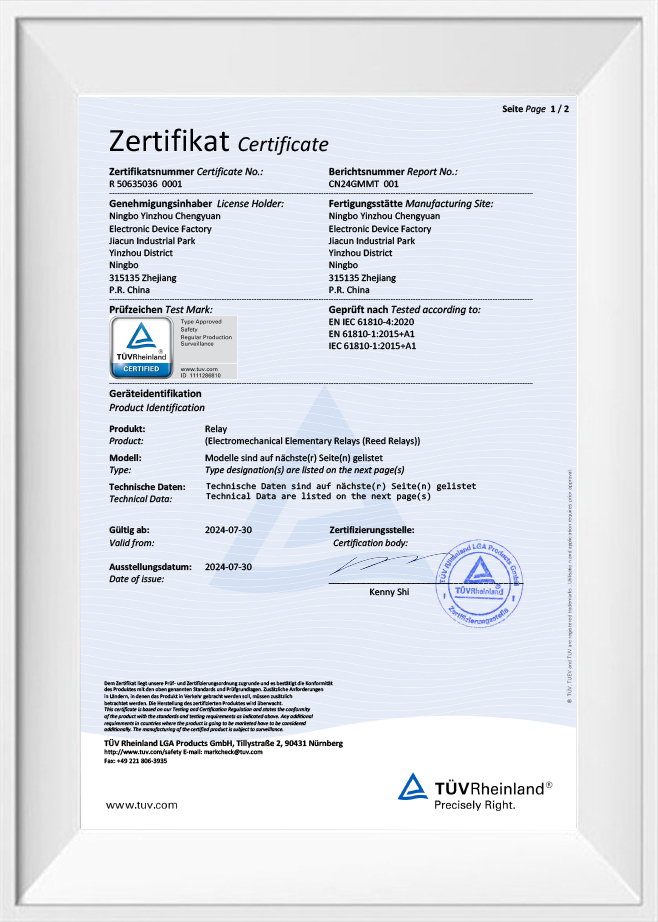
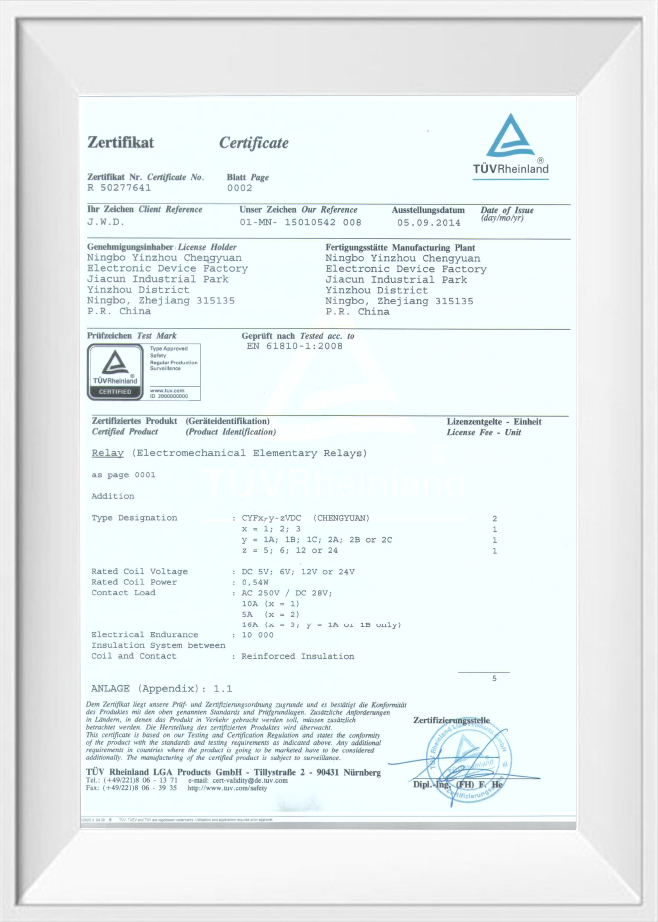
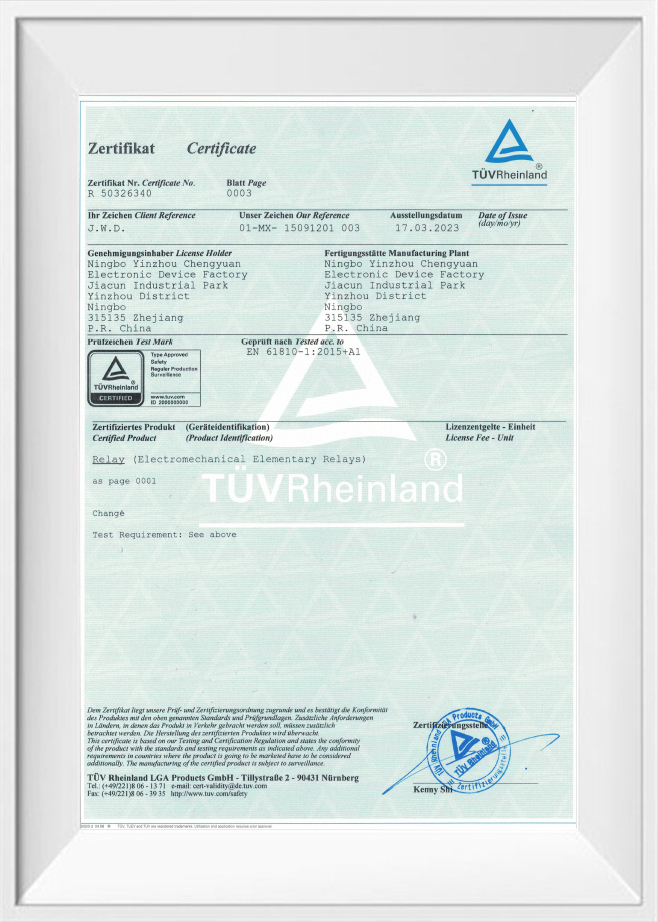
A Reed relay is a special type of electromechanical switch that uses an electromagnet to control a reed switch. These products are small in size, have a fast response time, and a long lifespan, and are mainly used in instruments and security products. Because their contacts are sealed, they effectively prevent dust, moisture, and corrosion, making reed relays renowned for their speed, compact size, and high reliability.
About Us
Ningbo Chengyuan Chuangke Electronics Co., Ltd.
Ningbo Chengyuan Chuangke Electronics Co., Ltd. is a China OEM/ODM Reed Relay Switch Manufacturer and Electromagnetic Reed Relay Supplier, subsidiary of Ningbo Yinzhou Chengyuan Electronic Device Factory. Having been deeply engaged in relay manufacturing for nearly 30 years, we are a professional manufacturer integrating R&D, production, and sales. With the core principle of "honesty as the foundation and quality as the soul", we rely on efficient teamwork to build a reputation for reliable products. The factory has introduced automated production equipment, selected high-quality materials, and strictly controlled the entire process quality to ensure the stability and durability of the products. Based on the domestic market, we actively expand our international layout. With excellent quality and honest services, we have won the recognition of customers both at home and abroad. We always adhere to our original intention and empower industrial upgrading through technological innovation. We are committed to becoming a reliable partner in the relay field.
A packaging line loses its motor starter in the middle of a shift. The contactor coil has been tested and the overload relay is reset, but the PLC still shows the motor as running. The technician opens the cabinet and finds the contactor is open. No feedback is wired back to the...
A maintenance electrician at a bottling line reaches for a replacement contactor after the original coil fails. The replacement sits on the bench, and the wiring diagram on the side of the old unit is torn. In most contactors, the coil terminals are labeled A1 and A2. Getting th...
A Reed relay works by using an electromagnetic coil to create a magnetic field that pulls two thin ferromagnetic reed blades together inside a sealed glass tube, closing an electrical circuit. When current flows through the coil, the magnetic flux magnetizes the overlapping end...
A reed relay is a switching device built around a pair of ferromagnetic reed contacts sealed inside a glass capsule, activated by a surrounding coil that generates a magnetic field to pull the reeds together. This sealed construction is what sets a reed relay switch apart from open-frame electromechanical designs: the contacts stay isolated from dust, moisture, and oxidation, which supports consistent low-resistance switching over very high cycle counts. As a category of electromagnetic reed relay, it is particularly well suited to low-current signal switching, test equipment, and applications where fast, precise operation matters more than raw load capacity.
The direct advantage of an electrical reed relay is speed combined with contact cleanliness: because the switching mechanism is compact and sealed, operate times are typically much faster than standard electromechanical relays, and contact bounce tends to be minimal. This article walks through measured switching data, life-cycle behavior, and structural comparisons to clarify where a reed relay fits best within a broader control system design.
Core Switching Characteristics Compared to Standard Metrics
When evaluating a reed relay switch against general electromechanical switching benchmarks, five characteristics stand out most clearly: operate speed, contact bounce control, sealed reliability, mechanical life, and coil sensitivity. The horizontal bar chart below scores each characteristic on a 0-100 index built from typical reed relay datasheet ranges. Operate speed and sealed reliability score highest, which reflects the fundamental design advantage of a sealed glass capsule housing the reed contacts away from environmental contamination. Coil sensitivity also scores well, since the compact reed assembly requires comparatively little magnetic force to actuate. Mechanical life sits slightly lower relative to the other metrics only because reed contacts, while durable, are thinner than heavier-duty relay blades, a trade-off made deliberately in exchange for faster switching.
This index-based view confirms that a reed relay's core strength lies in fast, clean switching rather than heavy load handling, which is precisely why it dominates applications like test fixtures, medical instrumentation, and precision signal routing where an electrical reed relay needs to switch quickly and consistently without introducing contact noise.
Contact Resistance Behavior Across Extended Switching Cycles
Because the sealed contacts of a reed relay stay protected from airborne contaminants, contact resistance tends to remain unusually stable across very high cycle counts compared to open-frame relay designs. The line chart below tracks contact resistance for an electromagnetic reed relay across five stages of a switching life test, ranging from 100,000 cycles up to 5 million cycles, which is a realistic range for many signal-level reed applications. The curve shows a slow, controlled rise rather than any sharp jump, which reflects the benefit of the hermetically sealed glass envelope protecting the contact surfaces from oxidation. This kind of predictable degradation pattern gives engineers confidence when specifying a reed relay switch for applications with very high switching frequency requirements, such as automated test equipment cycling thousands of times per day.
Resistance rises only from roughly 35mΩ at 100,000 cycles to around 70mΩ at 5 million cycles, an unusually flat curve for a relay technology, which underlines why a reed relay is often the preferred choice for high-frequency, low-current switching where contact degradation must stay minimal over a very long operating life.
Where Reed Relays Show Up Across Applications
The application spread of an electrical reed relay looks quite different from a standard electromechanical relay, since its strengths point it toward precision and speed rather than power switching. The vertical bar chart below shows typical usage distribution across common application categories, based on aggregated field patterns. Test and measurement equipment leads by a wide margin, followed by telecommunications switching, medical instrumentation, and security or access control systems, with a smaller share going to general signal routing tasks.
Test and measurement equipment alone accounts for roughly 34% of typical reed relay deployment, driven by the need for fast, repeatable switching in automated test benches where a standard electromechanical relay would introduce too much delay or contact bounce. Telecommunications applications also rely heavily on the sealed, low-noise switching a reed relay switch provides for signal path selection.
Reed Relay Versus Standard Electromechanical Relay
A radar chart is a useful way to visualize how a reed relay compares to a standard electromechanical relay across multiple dimensions simultaneously. The chart below plots both relay types across operate speed, contact cleanliness, load capacity, size compactness, and mechanical life. The reed relay shape extends much further on operate speed and contact cleanliness, reflecting its sealed, low-mass switching mechanism, while the standard relay extends further on load capacity, since its heavier contact blades are built to interrupt larger currents. Neither shape dominates every axis, which is the core takeaway: the two technologies are complementary rather than competing across all use cases.
This side-by-side view reinforces that an electromagnetic reed relay is the stronger choice for fast, clean, low-current switching, while a standard electromechanical relay remains better suited to higher-current loads. Engineers designing a mixed control system often use both technologies together, applying reed relays to signal-level switching and standard relays to power-level switching within the same panel.
Practical Guidance for Specifying a Reed Relay Switch
Choosing the right reed relay switch starts with confirming that the application genuinely calls for low-current, high-speed switching rather than heavier load interruption. The table below summarizes practical scenarios where a reed relay is typically the appropriate fit, alongside cases better served by an alternative relay technology.
Scenario-Based Selection Reference
Table 1: Practical guidance for reed relay selection by scenario
Scenario
Suitable Choice
Reason
Automated test bench
Reed Relay
Fast operate time, minimal bounce
Telecom signal path selection
Reed Relay
Low-noise, sealed switching
Motor or heater switching
Standard Electromechanical Relay
Requires higher current handling
Medical device signal switching
Reed Relay
Precision timing, sealed reliability
Before finalizing a reed relay in a design, a few additional checks help confirm long-term suitability:
Confirm the coil voltage and current requirements match the driving circuit's output capability.
Verify the contact rating is appropriate for signal-level rather than power-level switching.
Check operate and release time specifications against the timing requirements of the application.
Review expected switching frequency against the rated mechanical life of the reed contacts.
Consider magnetic shielding needs if the reed relay will be placed near other coil-driven components.
The stable contact resistance curve discussed earlier depends on precise manufacturing at every stage: reed alignment inside the glass capsule, contact plating quality, and the seal integrity of the envelope itself. Even minor inconsistencies in reed gap or plating thickness can shift operate voltage or introduce inconsistent bounce behavior across a production batch. Automated assembly and in-process electrical testing help keep an electromagnetic reed relay performing within tight tolerances, which is especially important in test and measurement applications where switching timing must remain consistent across thousands of units.
Process verification steps such as hermetic seal testing, contact resistance sampling, and operate-time measurement are standard practices that support the reliability data referenced throughout this article. For engineers sourcing an electrical reed relay at scale, confirming these quality checkpoints with a supplier is often as valuable as reviewing the published datasheet specifications.
About Ningbo Chengyuan Chuangke Electronics Co., Ltd.
Ningbo Chengyuan Chuangke Electronics Co., Ltd. is a subsidiary of Ningbo Yinzhou Chengyuan Electronic Device Factory. Having been deeply engaged in relay manufacturing for nearly 30 years, the company operates as a professional manufacturer integrating R&D, production, and sales of reed relay and related switching components. Its core principle, "honesty as the foundation and quality as the soul," is supported by efficient teamwork aimed at building a reputation for reliable products across both domestic and international markets.
The factory has introduced automated production equipment, selects high-quality materials, and applies strict process controls across the entire production chain to support the stability and durability of finished units. Based on the domestic market, the company actively expands its international layout, and its focus on quality and honest service has helped it build recognition among customers both at home and abroad. Guided by continued technological innovation, Ningbo Chengyuan Chuangke Electronics Co., Ltd. works to empower industrial upgrading and aims to remain a dependable partner for organizations sourcing electromagnetic reed relay solutions.
Frequently Asked Questions
Q1: What makes a reed relay switch faster than a standard relay?
A1: The reed contacts are lightweight and enclosed in a small sealed capsule, so there is very little mass to move when the coil energizes, which allows operate times far shorter than typical open-frame relay designs.
Q2: Why are reed relays commonly used in test and measurement equipment?
A2: Their fast, low-bounce switching and sealed contact reliability make them well suited to automated test systems that need to cycle rapidly and repeatedly without introducing signal noise.
Q3: How does a sealed design affect long-term contact resistance?
A3: Because the contacts are protected from airborne contaminants, resistance tends to rise slowly and predictably even after millions of switching cycles, rather than degrading sharply.
Q4: Can an electromagnetic reed relay handle higher current loads?
A4: Reed relays are generally intended for signal-level and low-current switching, so applications involving motors or heaters typically call for a standard electromechanical relay instead.
Q5: What manufacturing factors matter most for reed relay reliability?
A5: Precise reed alignment, consistent contact plating, and hermetic seal integrity are the key factors that determine how predictably an electrical reed relay performs across a production batch.

 English
 中文简体
中文简体 Español
 +86 15397227212