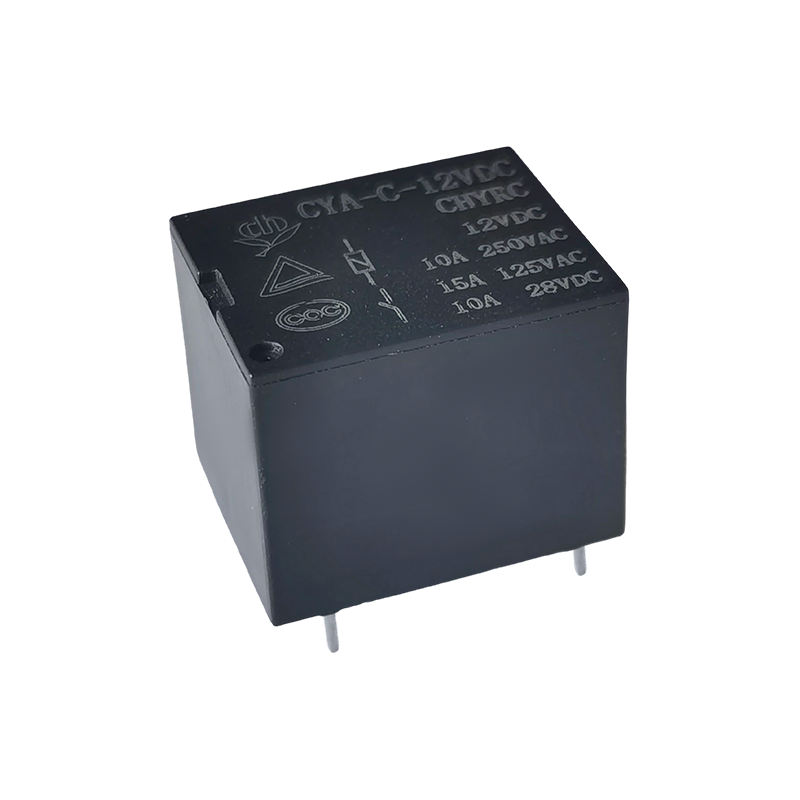
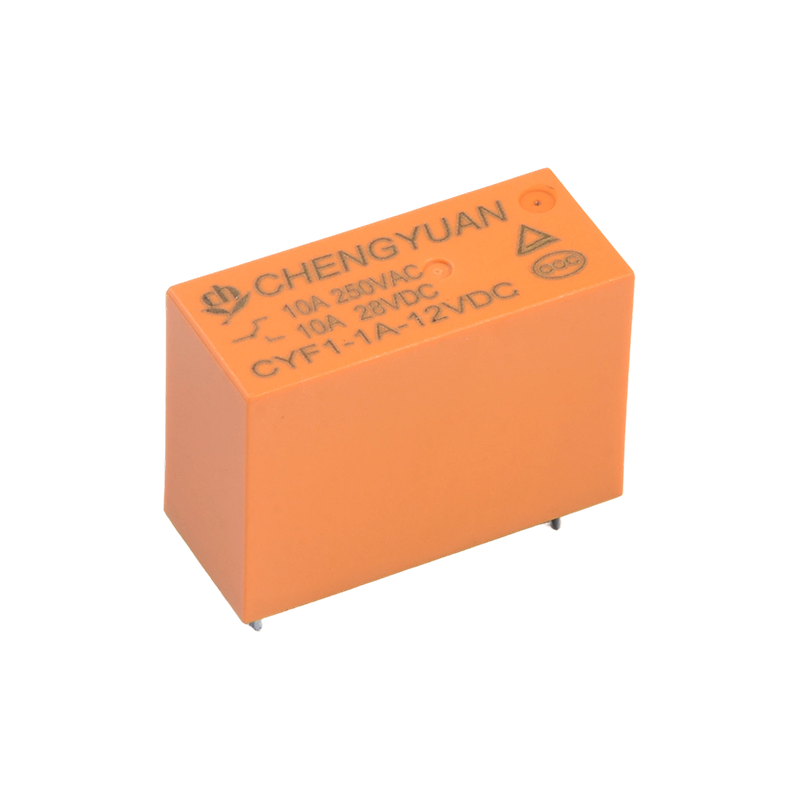
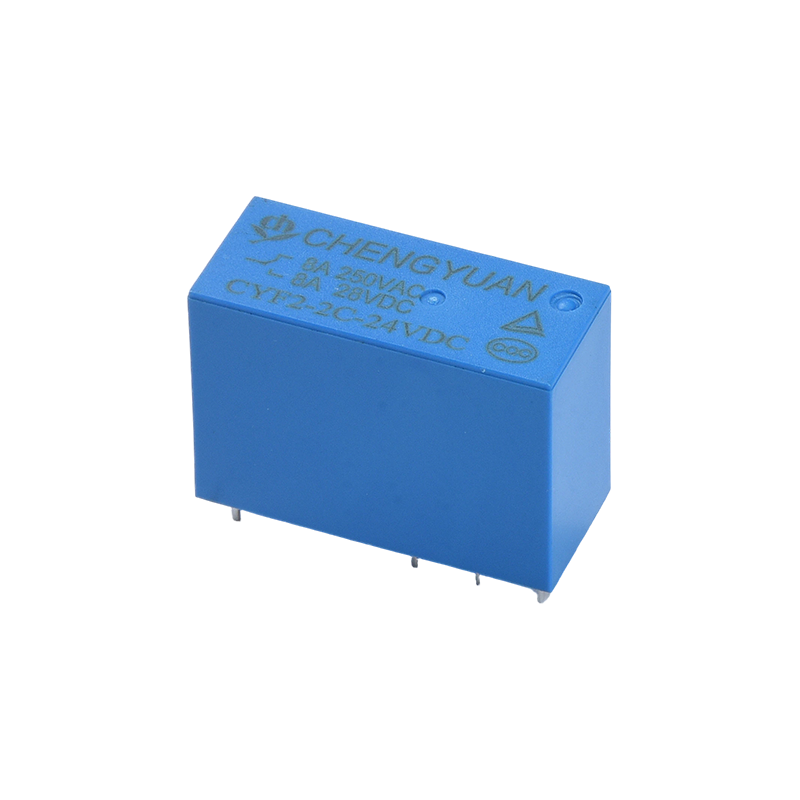
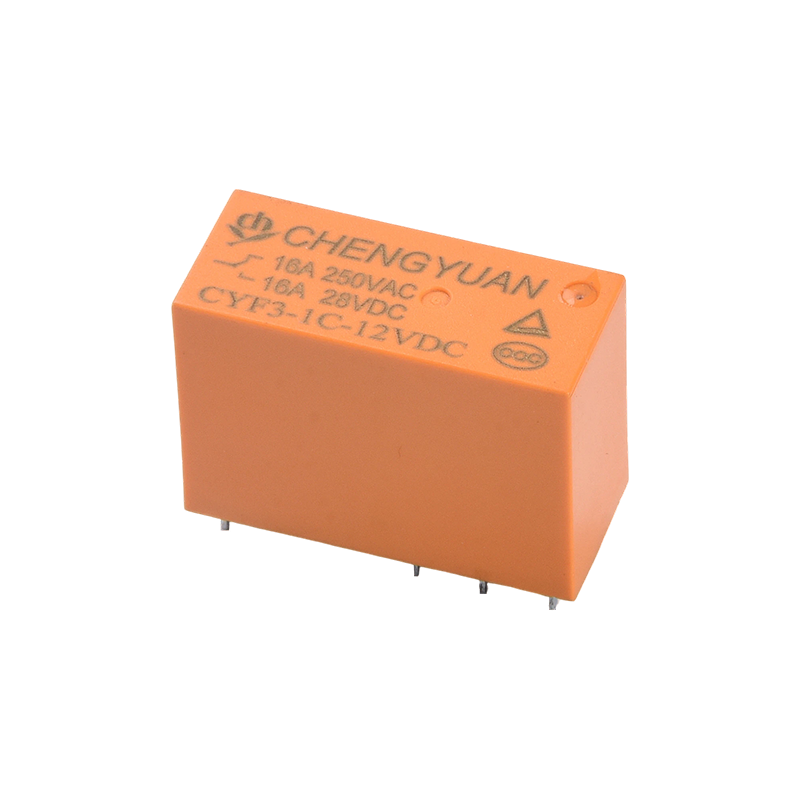
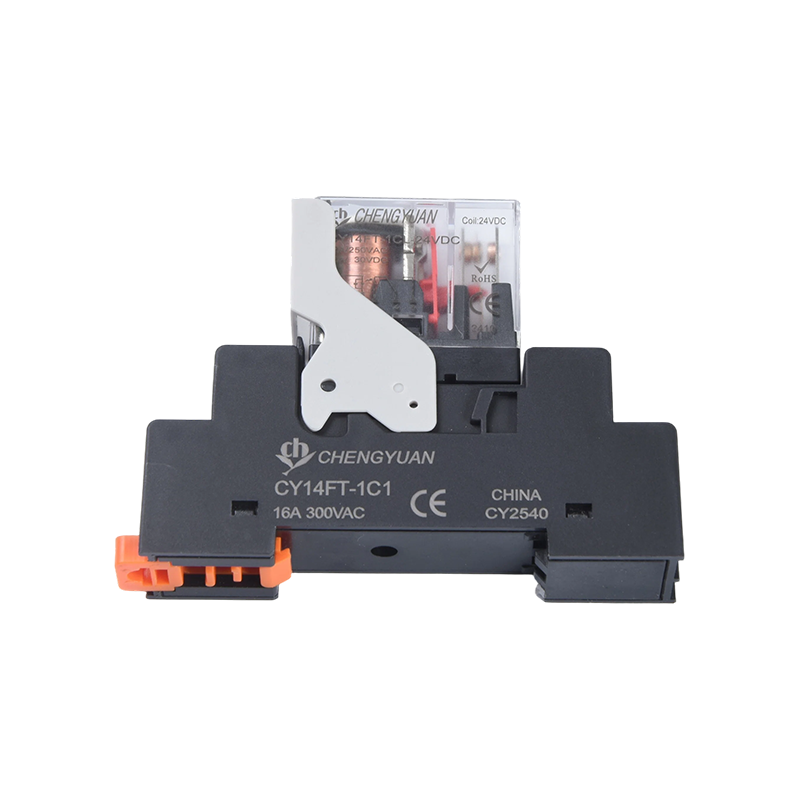
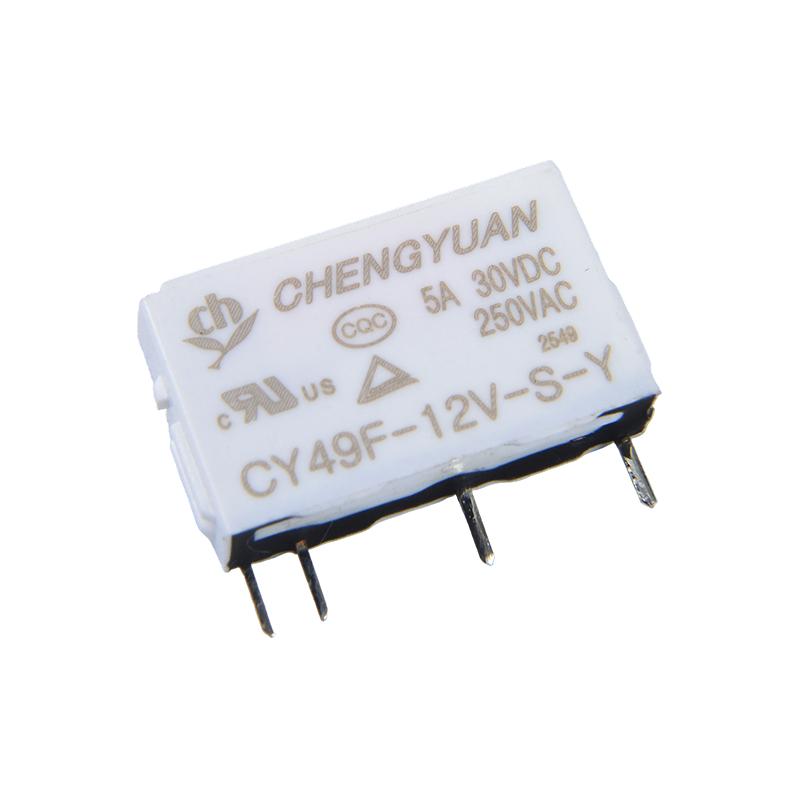
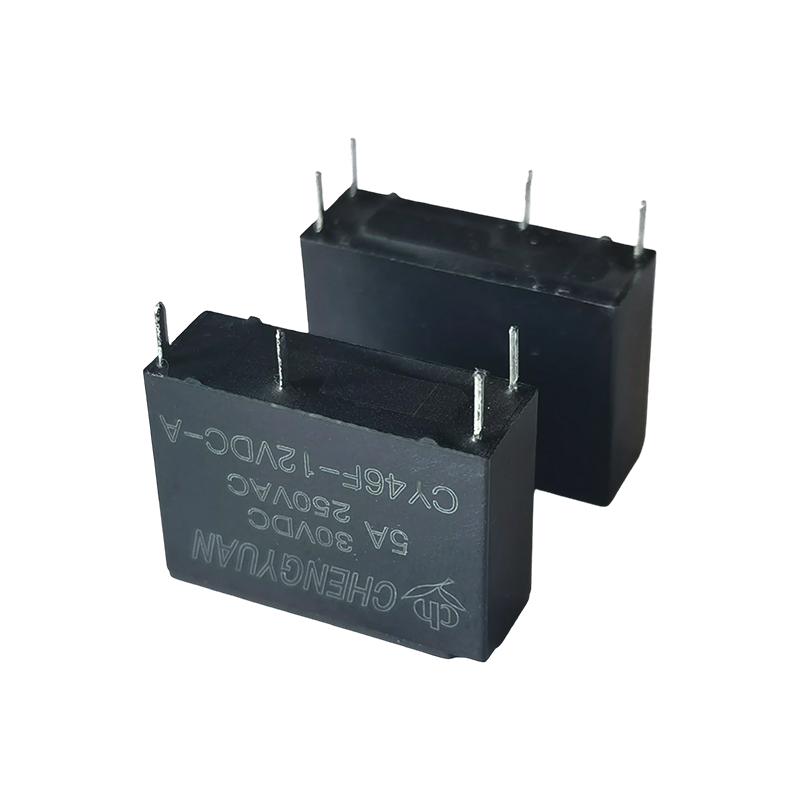
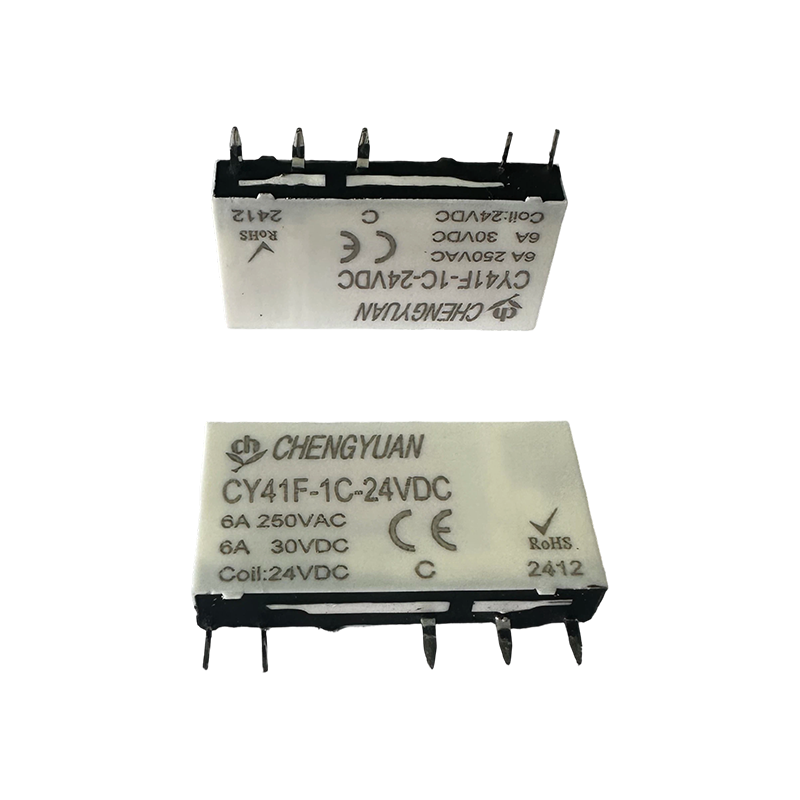
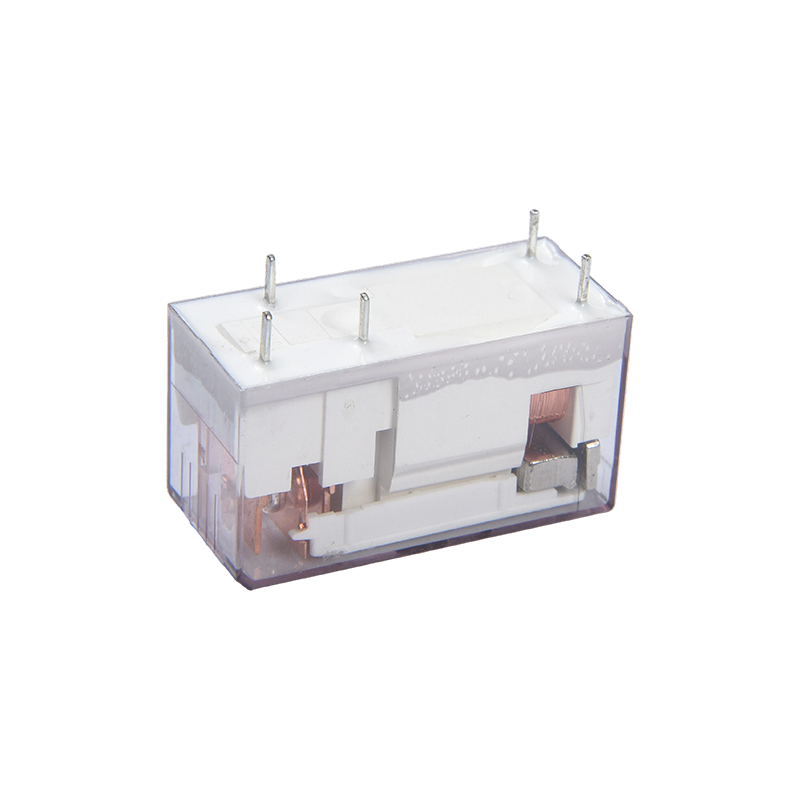
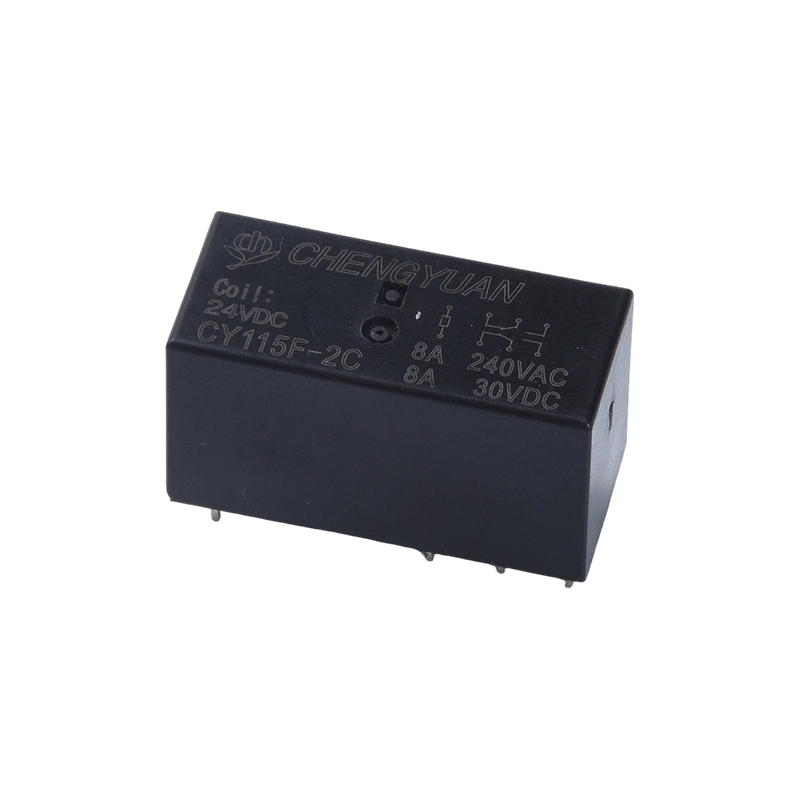
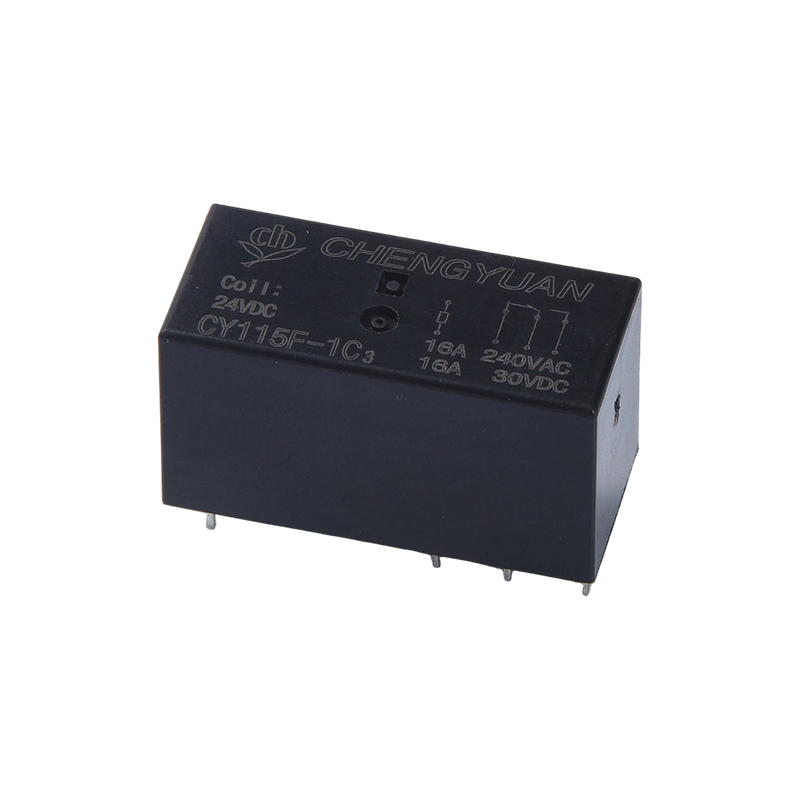
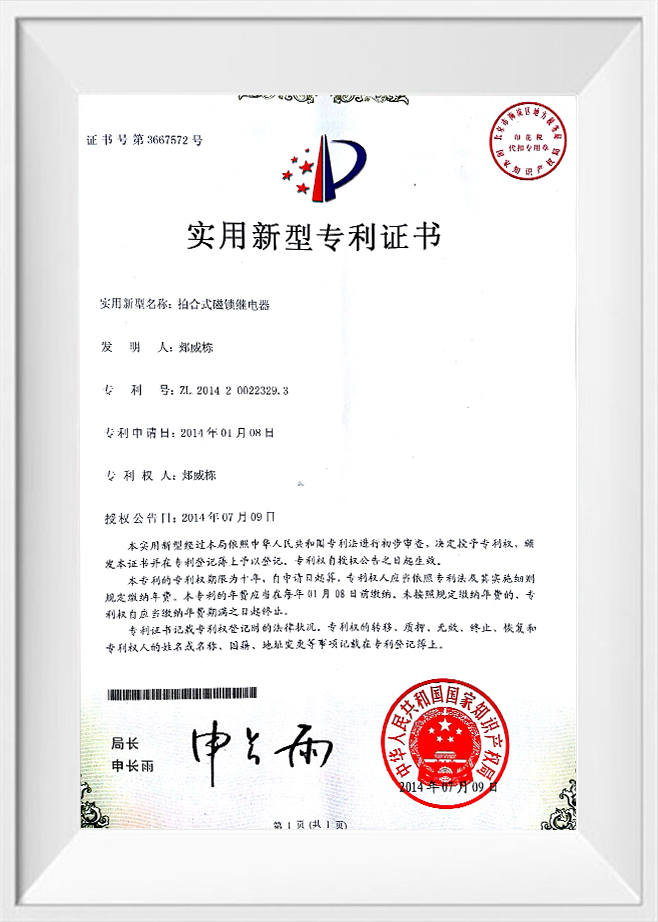
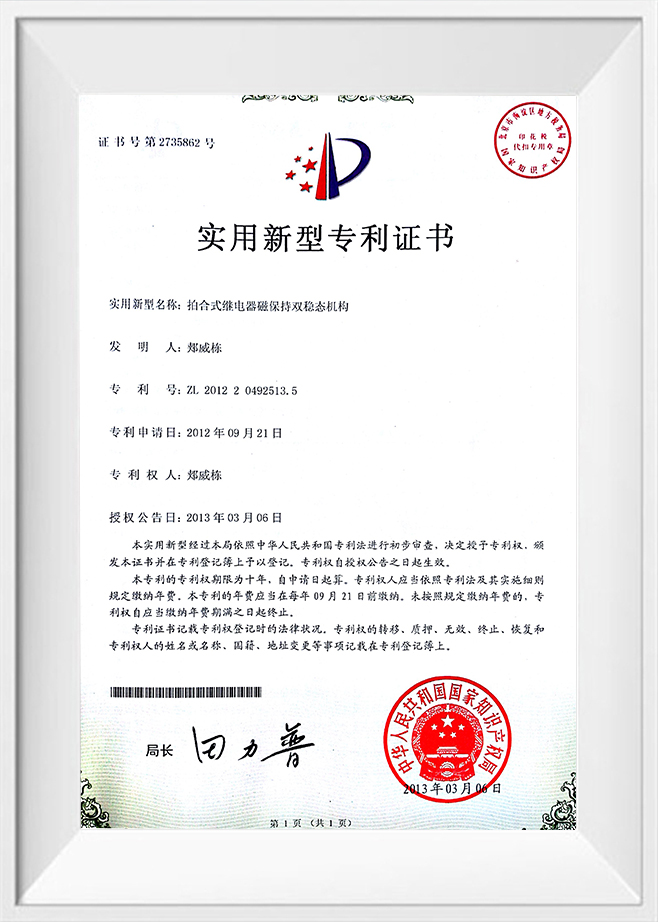
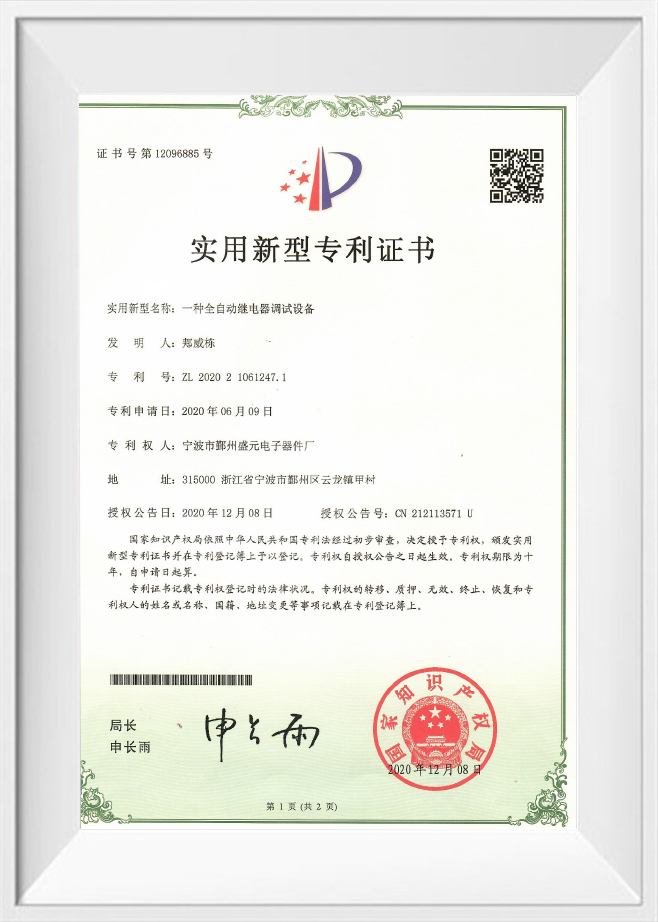
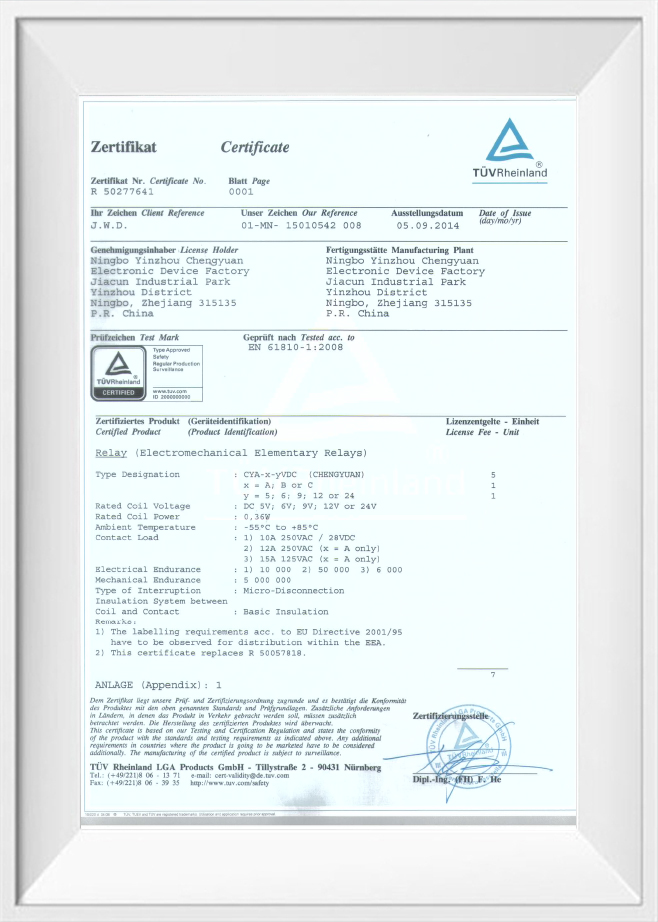
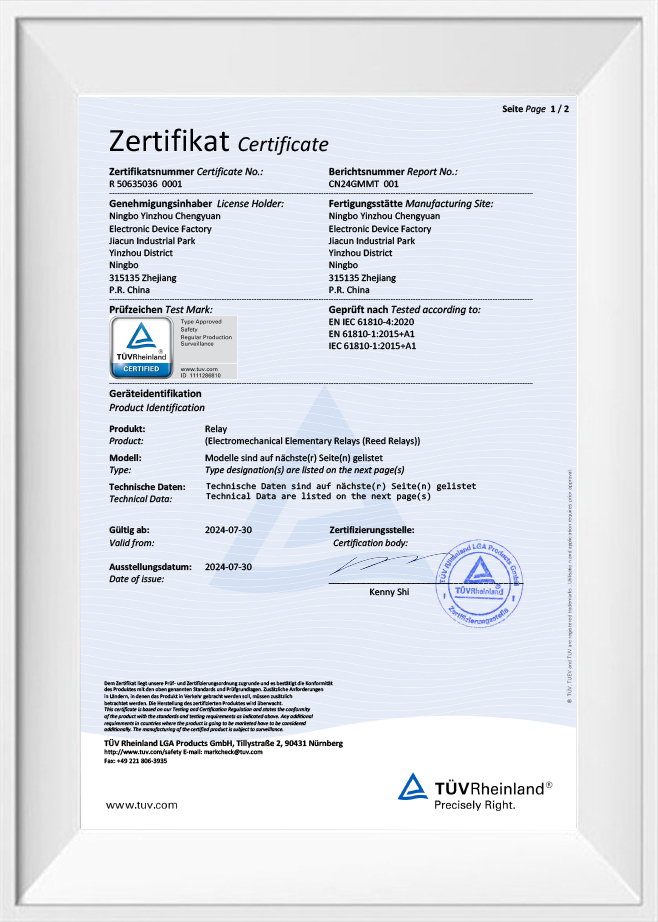
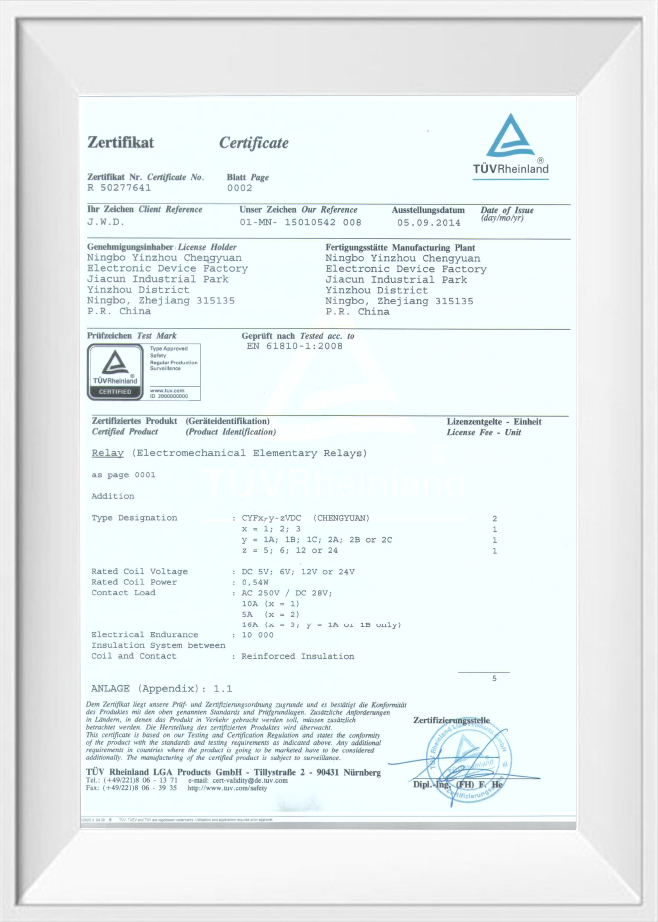
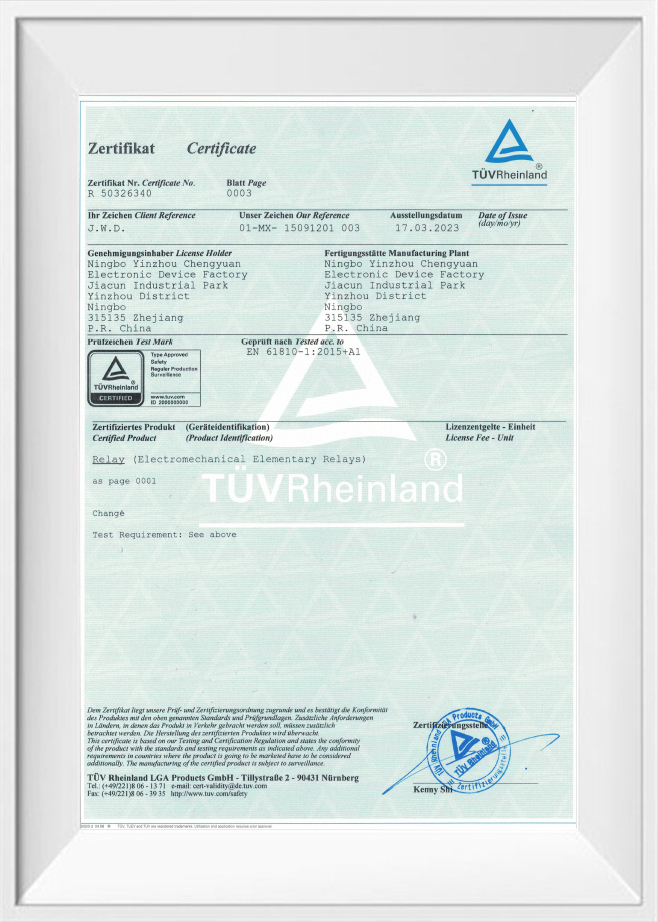
Ningbo Chengyuan Chuangke Electronics Co., Ltd. is a China OEM/ODM Electromagnetic Relay Supplier and Control Relay Factory, subsidiary of Ningbo Yinzhou Chengyuan Electronic Device Factory. Having been deeply engaged in relay manufacturing for nearly 30 years, we are a professional manufacturer integrating R&D, production, and sales. With the core principle of "honesty as the foundation and quality as the soul", we rely on efficient teamwork to build a reputation for reliable products. The factory has introduced automated production equipment, selected high-quality materials, and strictly controlled the entire process quality to ensure the stability and durability of the products. Based on the domestic market, we actively expand our international layout. With excellent quality and honest services, we have won the recognition of customers both at home and abroad. We always adhere to our original intention and empower industrial upgrading through technological innovation. We are committed to becoming a reliable partner in the relay field.
A packaging line loses its motor starter in the middle of a shift. The contactor coil has been tested and the overload relay is reset, but the PLC still shows the motor as running. The technician opens the cabinet and finds the contactor is open. No feedback is wired back to the...
A maintenance electrician at a bottling line reaches for a replacement contactor after the original coil fails. The replacement sits on the bench, and the wiring diagram on the side of the old unit is torn. In most contactors, the coil terminals are labeled A1 and A2. Getting th...
A Reed relay works by using an electromagnetic coil to create a magnetic field that pulls two thin ferromagnetic reed blades together inside a sealed glass tube, closing an electrical circuit. When current flows through the coil, the magnetic flux magnetizes the overlapping end...
What an Electromagnetic Relay Does and Why It Matters
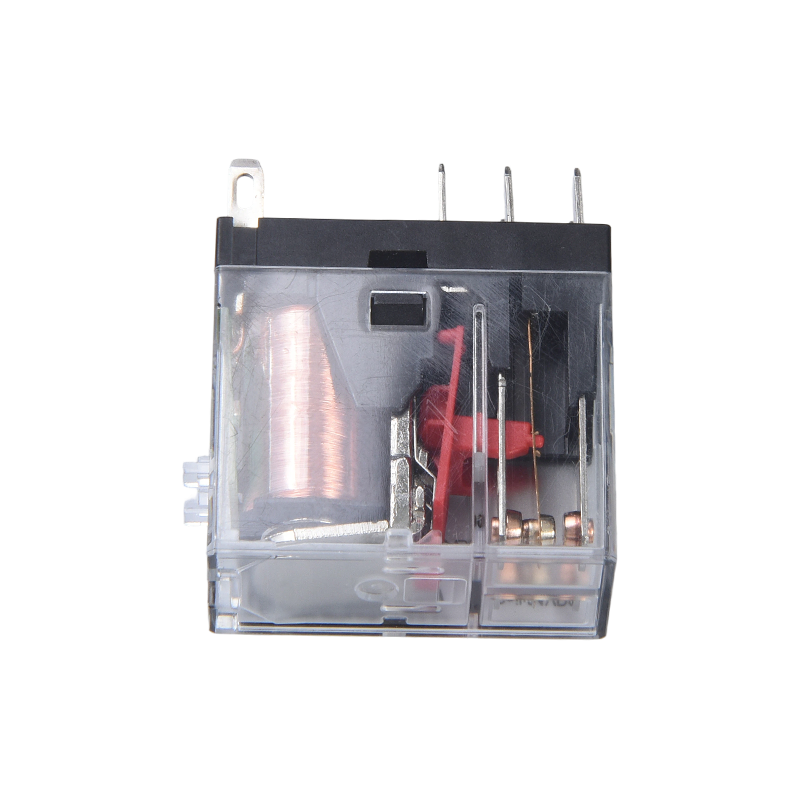
An electromagnetic relay is an electrically operated switch that uses a coil-driven magnetic field to open or close one or more sets of contacts, allowing a low-power control signal to safely switch a much larger load. As a foundational category of relay components, it forms the backbone of countless electrical control components systems, from industrial automation panels to household appliances. The core value of an electromagnetic relay lies in electrical isolation: the control circuit and the load circuit never touch, which protects sensitive control electronics from voltage spikes and current surges.
A well-designed control relay combines fast response time, stable contact resistance, and long mechanical life, and these three factors together determine how dependable a control system will be over years of continuous operation. Engineers typically evaluate relays across several measurable dimensions rather than relying on a single specification, which is why data-driven comparison is central to informed selection. The sections below walk through performance benchmarks, application trends, and structural comparisons to give a clear, practical picture of how electromagnetic relays behave in real operating conditions.
Core Performance Metrics Across Relay Categories
When comparing relay components, four metrics consistently matter most: contact load rating, switching frequency, mechanical life, and dielectric withstand voltage. The horizontal bar chart below places general-purpose relays, control relays, power relays, and signal relays side by side across these categories so the differences are easy to read at a glance. Notice how control relay units tend to favor switching frequency and mechanical life over raw contact load, which reflects their role in frequent, repetitive switching tasks rather than heavy current interruption. Power relays, by contrast, are built to handle larger loads but cycle less frequently, illustrating a deliberate design trade-off rather than a simple hierarchy of quality. Reading this chart alongside the application data in later sections helps clarify which relay category fits a given control scenario.
This index-based comparison shows that response time and contact load are typically the strongest performance points for a modern electromagnetic relay, while coil efficiency and dielectric rating sit in a moderate band that still meets standard industrial requirements. Because no single relay category dominates every metric, selection should always be tied to the specific demands of the target application rather than a generic ranking.
Contact Resistance Stability Over the Operating Life
One of the most telling indicators of relay quality is how contact resistance behaves as the number of switching cycles increases. A stable, low-resistance contact surface throughout its rated life means fewer voltage drops, less heat generation, and a lower risk of contact welding or pitting. The line chart below tracks contact resistance across five stages of a typical mechanical life test for a control relay rated for repetitive duty. A gradual, controlled rise in resistance is expected and normal, but a sharp spike at any stage usually signals contact material fatigue or contamination. This kind of longitudinal data is far more useful for engineers than a single point-in-time measurement, since it reveals how the component degrades under realistic, cumulative use.
Across the tested range, resistance increases only modestly from roughly 15mΩ at 10,000 cycles to around 40mΩ at 500,000 cycles, a curve that stays within acceptable tolerances for most control applications. This kind of predictable, gradual trend is what allows engineers to plan maintenance intervals with confidence instead of reacting to unexpected failures. It also highlights why contact material selection and coil design quality directly influence the long-term reliability of any electromagnetic relay deployed in continuous-duty environments.
Where Electromagnetic Relays Are Actually Used
Understanding how electrical control components are distributed across industries helps clarify why relay design varies so much from one product line to the next. The vertical bar chart below breaks down typical usage share across five common sectors, based on aggregated field application patterns rather than any single project. Industrial automation remains the largest consumer of relay components because control panels, PLCs, and motor starters all rely heavily on reliable switching. Automotive electronics and power systems follow closely, each with its own vibration, temperature, or load-cycling requirements that shape relay specification choices.
Industrial automation accounts for roughly 32% of typical relay deployment, reflecting the sheer number of switching points in a modern control cabinet, from motor contactors to signal interlocks. Home appliances and communication equipment make up a smaller but still meaningful share, usually favoring compact, low-power relay components over the heavier-duty units found in industrial settings. This spread illustrates why a single relay design rarely serves every market, and why manufacturers typically offer several relay families tuned to different load, size, and cycling requirements.
Comparing Relay Types Across Five Design Dimensions
A radar chart is particularly useful for comparing control relay, general-purpose relay, power relay, and signal relay designs because it shows trade-offs across multiple dimensions at once rather than reducing everything to a single score. The chart below compares these four relay families across load capacity, response speed, mechanical durability, space efficiency, and thermal stability. Each shape represents a different design philosophy: a power relay pushes outward on load capacity and durability but pulls inward on space efficiency, while a signal relay does the opposite, prioritizing compactness and speed over raw switching power. Reading the chart this way helps engineers match a relay family to the constraints of their specific circuit rather than assuming one type is universally superior.
The overlapping shapes make it clear that a power relay extends furthest on load capacity and durability, making it suitable for switching motors and heavy inductive loads, while a signal relay stays compact and fast, better suited to low-current logic circuits. Neither shape covers the full chart, which is the point: every relay type is a deliberate trade-off rather than a compromise. A control relay generally sits between these two extremes, balancing moderate load handling with strong response speed for repetitive automation tasks. This kind of multi-dimensional comparison is often more useful during design review than looking at any single datasheet value in isolation.
Selecting the Right Relay Components for a Control System
Choosing among relay components starts with clarifying the load type, switching frequency, and environmental conditions of the target circuit. A relay sized correctly for the application will run cooler, last longer, and reduce the frequency of unplanned maintenance. The table below summarizes practical selection guidance across four common scenarios engineers encounter when specifying an electromagnetic relay for a new design.
Selection Guidance by Application Scenario
Table 1: Practical relay selection reference by application type
Application
Recommended Relay Type
Key Requirement
Motor Starting
Power Relay
High inrush current tolerance
PLC Interlock
Control Relay
Fast, repetitive switching
Signal Routing
Signal Relay
Low contact resistance
Appliance Control
General Purpose Relay
Compact footprint, moderate load
Beyond matching the relay category to the load, several practical checks help ensure a stable long-term result:
Confirm the rated coil voltage matches the control circuit exactly, including tolerance range.
Verify the contact rating exceeds the actual load current with reasonable margin.
Check ambient temperature range against the relay's operating specification.
Review mechanical and electrical life ratings against expected duty cycle.
Consider mounting orientation and vibration exposure for automotive or mobile equipment.
Manufacturing Quality and Design Considerations
The performance data shown above does not happen by accident; it is the result of consistent material selection, precise coil winding, and controlled contact plating throughout the manufacturing process. Automated production lines reduce variation between units, which is particularly important for electrical control components used in safety-related circuits where consistent behavior matters as much as peak performance. Contact material choice also plays a major role: silver alloy contacts are commonly used for their balance of conductivity and resistance to arcing, while coil insulation class determines how much thermal margin the relay retains under continuous energization.
Quality control at the component level typically includes dielectric withstand testing, contact resistance sampling, and mechanical life cycling under simulated field conditions. These checks are what allow a control relay to perform predictably across the resistance curve shown earlier, rather than degrading unpredictably after a few thousand cycles. For engineers specifying relay components at scale, asking a supplier about their process controls is often just as informative as reviewing the datasheet itself.
About Ningbo Chengyuan Chuangke Electronics Co., Ltd.
Ningbo Chengyuan Chuangke Electronics Co., Ltd. is a subsidiary of Ningbo Yinzhou Chengyuan Electronic Device Factory. Having been deeply engaged in relay manufacturing for nearly 30 years, the company operates as a professional manufacturer integrating R&D, production, and sales of electromagnetic relay and related relay components. Its core principle, "honesty as the foundation and quality as the soul," is supported by efficient teamwork aimed at building a reputation for reliable products across both domestic and international markets.
The factory has introduced automated production equipment, selects high-quality materials, and applies strict process controls across the entire production chain to support the stability and durability of finished units. Based on the domestic market, the company actively expands its international layout, and its focus on quality and honest service has helped it build recognition among customers both at home and abroad. Guided by continued technological innovation, Ningbo Chengyuan Chuangke Electronics Co., Ltd. works to empower industrial upgrading and aims to remain a dependable partner for organizations sourcing electrical control components.
Frequently Asked Questions
Q1: What is the main advantage of an electromagnetic relay over a solid-state switch?
A1: The main advantage is true electrical isolation between the control circuit and the load circuit, along with generally low contact resistance during closed operation, which helps limit heat buildup at moderate switching frequencies.
Q2: How is a control relay different from a power relay?
A2: A control relay is typically optimized for fast, frequent switching in logic and interlock circuits, while a power relay is built to handle larger currents with a stronger emphasis on load capacity and mechanical durability.
Q3: What factors most affect the mechanical life of relay components?
A3: Contact material quality, spring design, switching frequency, and ambient temperature are the primary factors, with consistent manufacturing process control also playing a significant role in long-term stability.
Q4: Can the same relay type be used across different industries?
A4: In many cases yes, but application-specific factors such as vibration exposure, ambient temperature, and duty cycle often make it more practical to select a relay category tailored to that industry's typical operating conditions.
Q5: How should engineers approach selecting electrical control components for a new project?
A5: Start by defining load current, switching frequency, and environmental conditions, then compare candidate relay types against those requirements using datasheet performance data and, where possible, manufacturer process information.

 English
 中文简体
中文简体 Español
 +86 15397227212