The Difference Between Single Phase and 3 Phase Motors: A Buying GuideThe Difference Between Single Phase and 3 Phase Motors: A Buying GuideThe Difference Between Single Phase and 3 Phase Motors: A Buying GuideThe Difference Between Single Phase and 3 Phase Motors: A Buying GuideThe Difference Between Single Phase and 3 Phase Motors: A Buying GuideThe Difference Between Single Phase and 3 Phase Motors: A Buying GuideThe Difference Between Single Phase and 3 Phase Motors: A Buying GuideThe Difference Between Single Phase and 3 Phase Motors: A Buying GuideThe Difference Between Single Phase and 3 Phase Motors: A Buying GuideThe Difference Between Single Phase and 3 Phase Motors: A Buying GuideThe Difference Between Single Phase and 3 Phase Motors: A Buying GuideThe Difference Between Single Phase and 3 Phase Motors: A Buying GuideThe Difference Between Single Phase and 3 Phase Motors: A Buying GuideThe Difference Between Single Phase and 3 Phase Motors: A Buying GuideThe Difference Between Single Phase and 3 Phase Motors: A Buying GuideThe Difference Between Single Phase and 3 Phase Motors: A Buying Guide
News
Home / News / Industry News / The Difference Between Single Phase and 3 Phase Motors: A Buying Guide
The Difference Between Single Phase and 3 Phase Motors: A Buying Guide
Suppose a small mixer motor fails on a production line, and the maintenance team needs a replacement quickly. The supplier asks a common question: do you need a single phase motor or a three phase motor? The answer determines how the motor starts, how much load it can carry, how large the control cabinet must be, and how much the installation will cost. The main difference is that a single phase motor is powered by one alternating current supply and is used for light duty applications, while a three phase motor is powered by three alternating current supplies and offers higher torque, smoother operation, and better efficiency for industrial loads. This guide explains the technical and practical differences so you can make a confident purchase decision.
What Is a Single Phase Motor?
A single phase motor uses a single alternating voltage waveform to create a magnetic field. Because a single phase supply cannot produce a rotating magnetic field on its own, these motors rely on auxiliary starting components such as a start capacitor, a start winding, or a shaded pole. The result is a motor that is simple, inexpensive, and widely used in fans, pumps, compressors, and small power tools.
Common characteristics include the following:
Starting torque is generally lower than a three phase motor.
Torque output pulses twice per cycle, so operation can be noisier.
The motor is often larger and heavier than a three phase motor of the same power.
Efficiency drops noticeably as power increases.
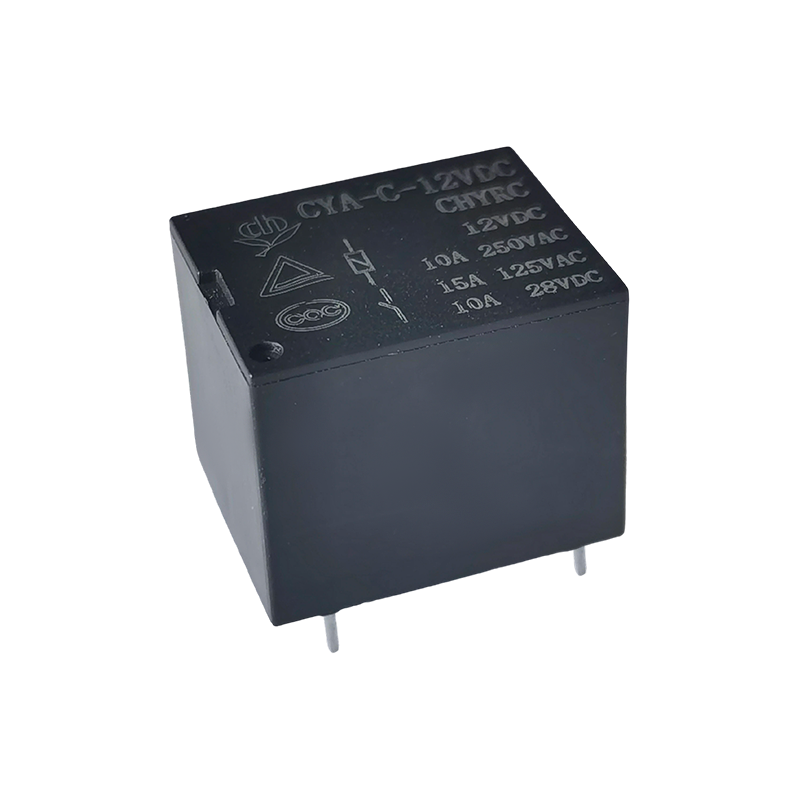
Motor control can be handled with compact electromagnetic relays and basic contactors.
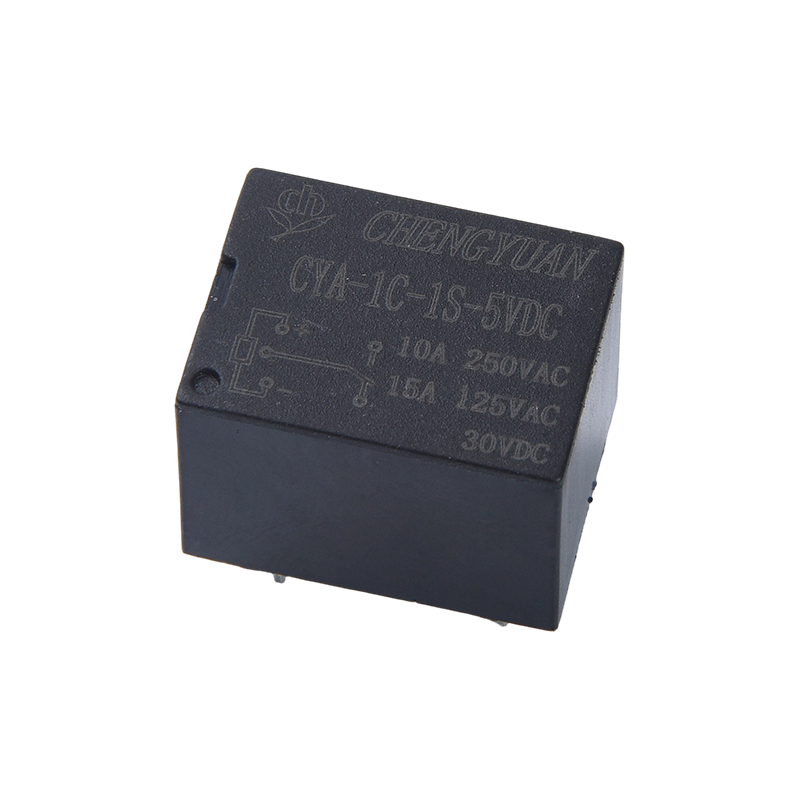
For a compact motor controller, a slim power relay such as the CY49F is a common choice because it fits small control boards and switches moderate current without taking up excessive space.
A three phase motor receives power from three separate alternating current supplies that are separated by 120 electrical degrees. This arrangement creates a natural rotating magnetic field, so the motor can start by itself and develop steady torque from standstill. Three phase motors are the default choice for conveyor drives, pumps, compressors, fans, machine tools, and almost every piece of industrial equipment above a few kilowatts.
The practical benefits of three phase power are clear:
Constant torque is delivered to the load because the three phases combine to produce a smooth rotating field.
Higher starting torque can be achieved with a smaller frame size.
Efficiency is better, especially under continuous duty.
Less copper and steel are required for the same power rating, which often lowers material cost.
Vibration and noise are reduced, which extends bearing and winding life.
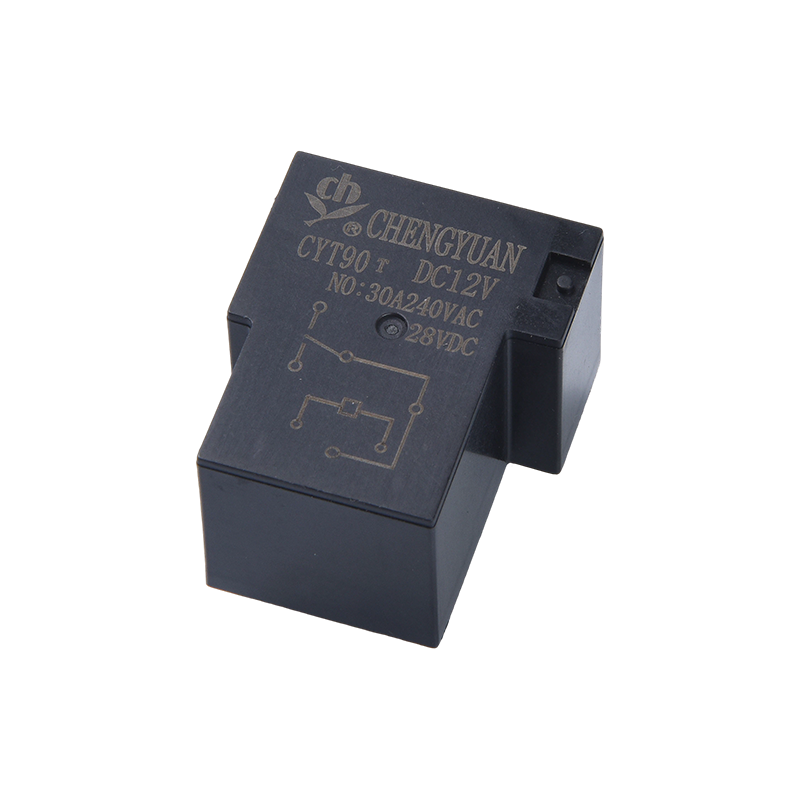
When a three phase motor drives a heavy load, the starter must switch significant current. A high-current relay like the T90 series provides the contact margin needed for motor starting and stopping duties.
Single phase motors score well on cost and simple control, but they fall behind on starting torque, efficiency, and power density. Three phase motors lead in most performance categories, while still offering strong value because smaller frames use less material. Smoothness and starting torque are the two areas where the three phase advantage is most visible. For continuous industrial duty, the three phase polygon covers a larger area, which indicates more useful energy output per unit of size. The two shapes also show why a three phase motor often needs a lower rated relay current than a single phase motor of the same output.
Starting Torque and Speed Behavior
The speed torque curve is the fastest way to understand how a motor behaves under load. A single phase motor has a relatively weak starting point and a torque dip near the beginning of rotation. Once it accelerates, the torque rises to a breakdown value and then falls as the motor approaches synchronous speed. A three phase motor produces high torque from standstill, so it can start a heavily loaded pump or conveyor without excessive current draw. The line chart below compares the general shape of the two torque curves.
A single phase motor starts at a torque value that is roughly half that of a comparable three phase motor. Its curve contains a characteristic dip caused by the backward rotating magnetic field, which is not present in a three phase motor. As speed increases, the three phase torque curve stays higher and reaches its breakdown point closer to rated speed. That means the three phase motor can ride through brief overloads without stalling. In practice, the same load accelerates faster on three phase power and runs with less winding temperature rise.
Efficiency, Size, and Cost Differences
Three phase motors are generally more efficient than single phase motors at the same power rating. In a relative comparison, the three phase unit can score 94 versus 84 for a single phase unit at the same power level. Size follows a similar pattern because the three phase motor produces the same output from a smaller stator and rotor assembly.
Single phaseThree phase
Efficiency
Starting torque
Power density
Smoothness
Each pair of bars compares single phase and three phase values on a relative index. Full-load efficiency is higher for the three phase motor because the rotating field is balanced and copper losses are lower. Starting torque is much higher for the three phase motor, which matters for pumps, compressors, and conveyors. Power density is also better, meaning the three phase motor produces more mechanical output per kilogram of frame. Operational smoothness reduces vibration and mechanical stress, so the three phase motor is easier on bearings and couplings.
Cost changes in the same direction once the machine passes a certain power level. The chart below compares a common cost pattern based on motor frame size, material content, and installation effort.
Single phaseThree phase
1 kW
5 kW
20 kW
The columns show a typical purchase and installation cost index, where 1 kW single phase is set to 100. At 1 kW the two motor types are close in price, with the single phase version slightly lower. At 5 kW the three phase motor becomes more economical, and the gap grows at 20 kW. The trend is driven by material content, frame size, and the simpler stator construction of a three phase machine. Buyers who only compare the initial motor price can miss this larger lifecycle cost difference.
How to Choose Between Single Phase and Three Phase Motors
Start from the electricity available at the site, not from the motor alone. Check the supply voltage, the number of conductors, and whether a phase converter is acceptable for the budget. Then estimate the load profile, including starting frequency, overload conditions, and duty cycle.
Confirm the available supply. Residential and light commercial sites usually have single phase power.
Calculate the required starting torque. Heavy starts point toward a three phase motor.
Compare full-load efficiency and annual running hours. Longer running hours justify a better motor.
Check physical space and weight limits. A three phase motor is smaller for the same output.
Review control component costs, including relays, contactors, overload protection, and cabling.
If the installation only needs a small fan, a domestic pump, or a bench tool, a single phase motor is normally the simpler and cheaper route. If the machine runs continuously, faces heavy load changes, or must be energy efficient, a three phase motor should be the baseline. For uncertain cases, our engineering team can review the mechanical load and the supply conditions on the contact page, and the motor control FAQ answers common questions about coil and wiring requirements.
Motor Control: Where Relays Fit In
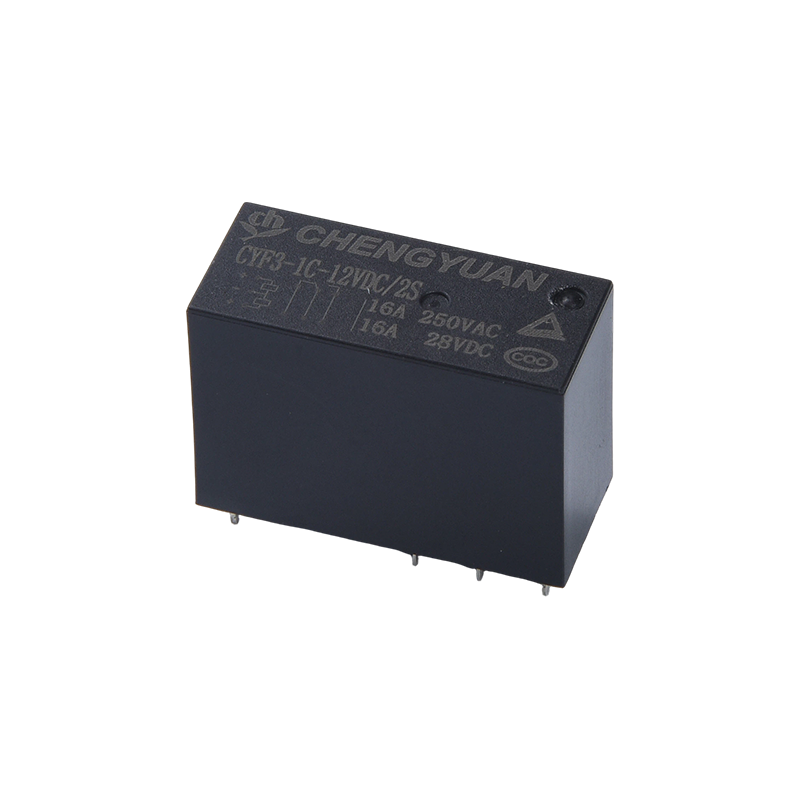
A motor is rarely connected directly to the supply. A control circuit uses a relay or contactor to energize the motor, and the choice of relay depends on the coil voltage, contact rating, and switching frequency. Single phase controllers often use compact PCB relays, while three phase starters use heavier contactors or high-current relays for each supply line.
For control circuits that need to remember the motor state without keeping the coil energized continuously, a magnetic latching relay is a practical option. It holds the last switched position using a permanent magnet, so the coil consumes power only during the switching pulse.
Choose single phase when the power supply is limited to one phase, the motor is small, and the machine does not need high starting torque. Choose three phase when the application is industrial, the motor runs for long hours, or the load can change suddenly. In most cases above 3 kW, a three phase motor gives lower operating cost, less noise, and a smaller footprint. If the site only has single phase power, a soft starter or phase converter can help, but it adds cost and maintenance.
When you design the control circuit, select relays with a contact rating that exceeds the locked-rotor current of the motor. Check the coil voltage against the available control supply, and use the right overload protection. With these details in place, the difference between single phase and three phase motors becomes a straightforward engineering decision.
The CYA-S Relay (also known as Magnetic Latching Relay, 3F Latching Relay, Single and Double Coil Magnetic Latching) belongs to the CYA-S and CYF-S (3F/14F) series of magnetic latching relays. Compare...
The CYA(JQX-3F) relay is currently one of the most widely used relays on the market. Primarily used in automatic control circuits, it acts as an "automatic switch" and is widely applied in various ho...
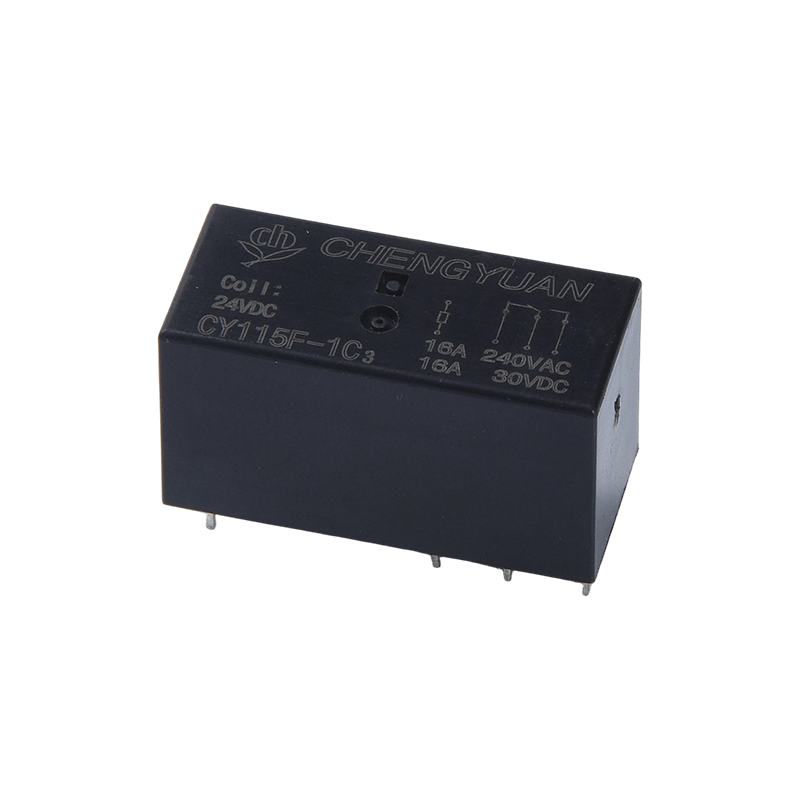
The CY115F3 Relay is a high-performance PCB-mounted relay that offers a higher 16-amp contact switching load capacity compared to other products in its category. It combines a compact design with hig...
The CYF3-S Relay (also known as Magnetic Latching Relay, 14F Latching Relay, 16A Magnetic Latching Relay) is a high-performance magnetic latching relay. Compared to other relays in the same category, ...
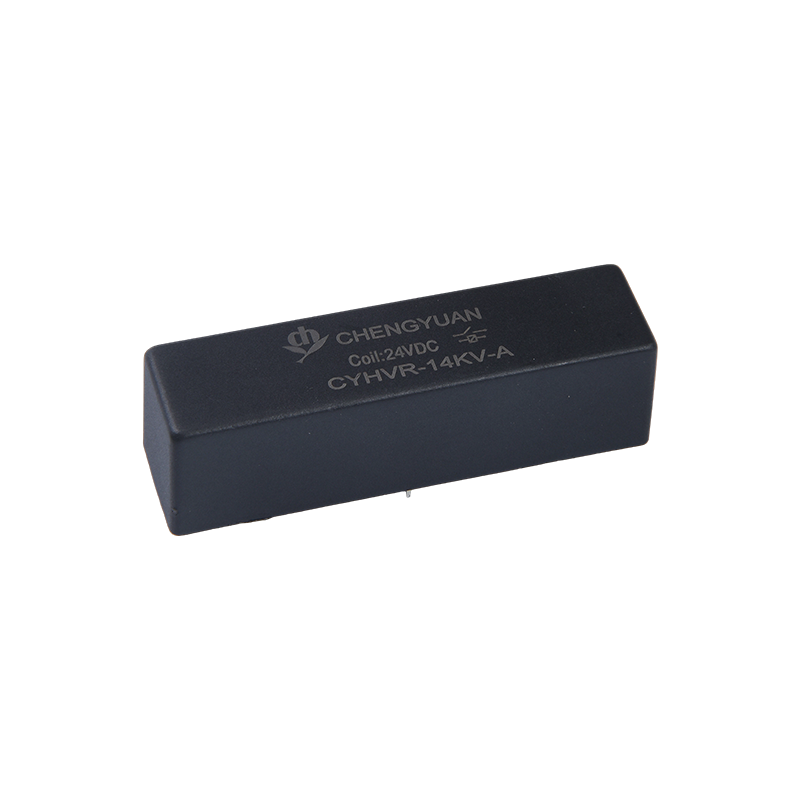
The CYHVR is a DC high-voltage reed relay with a contact withstand voltage of 14KV/20KV. It is primarily used for automatic control, protection, and switching in high-voltage DC systems, such as powe...
The CYT91 Relay is a small, high-power relay with a single-pole double-throw (SPDT) contact configuration, supporting load switching capabilities of 20A/30A. This product achieves a maximum current co...

 English
 中文简体
 Español