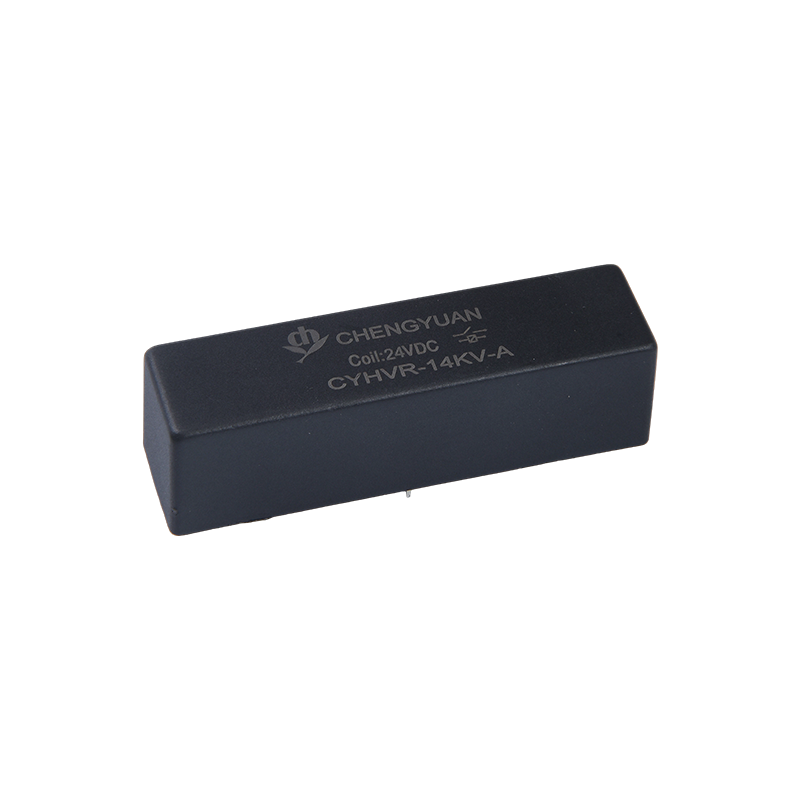
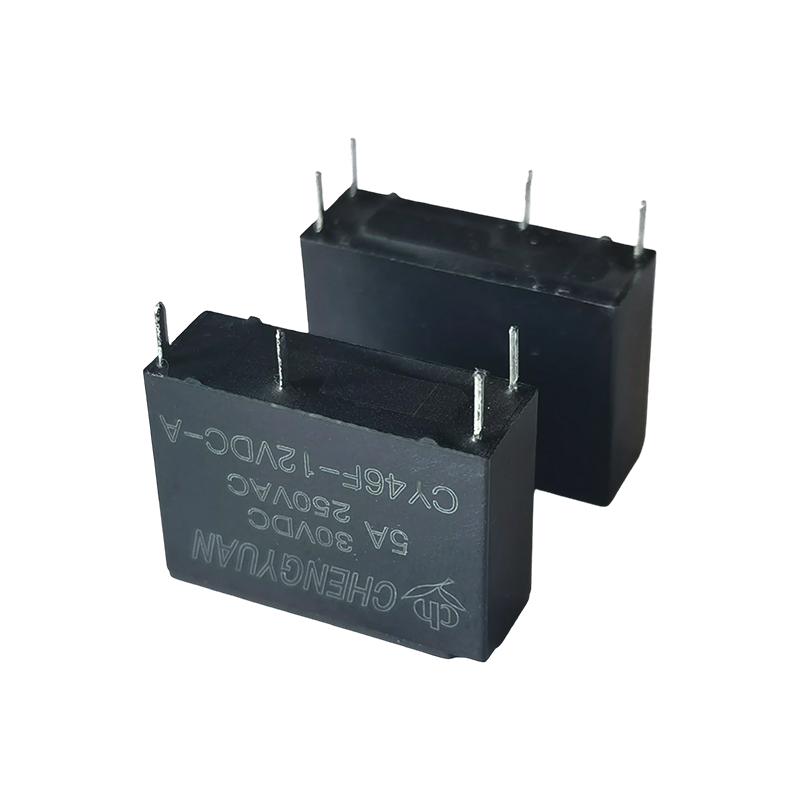
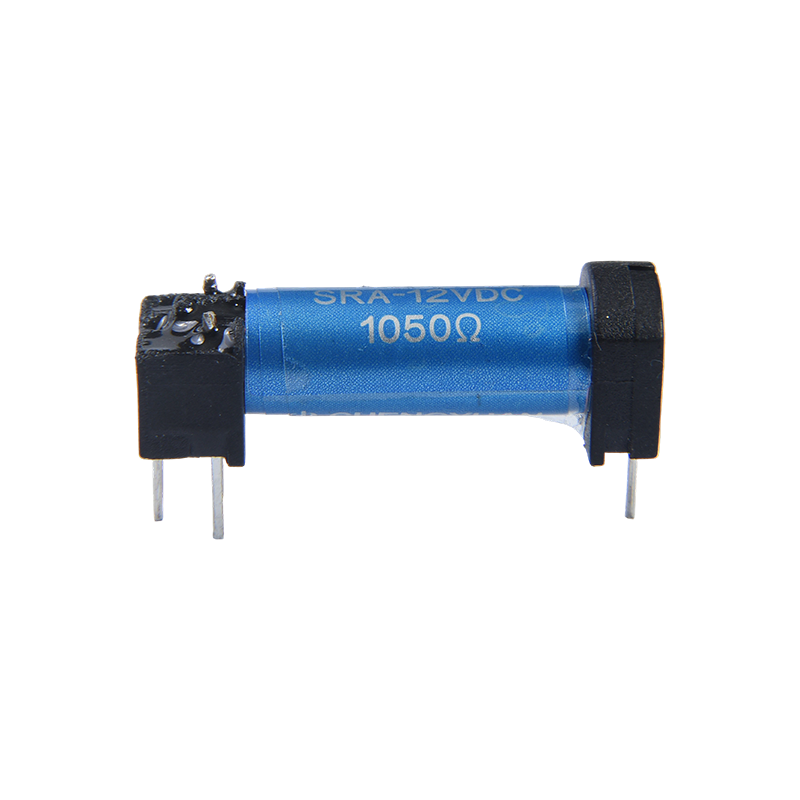
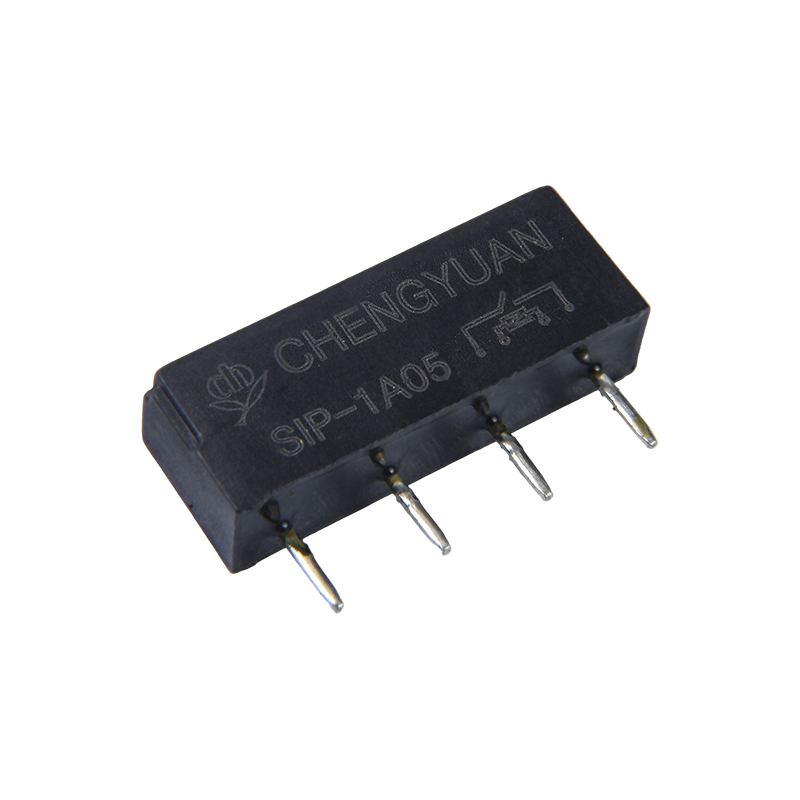
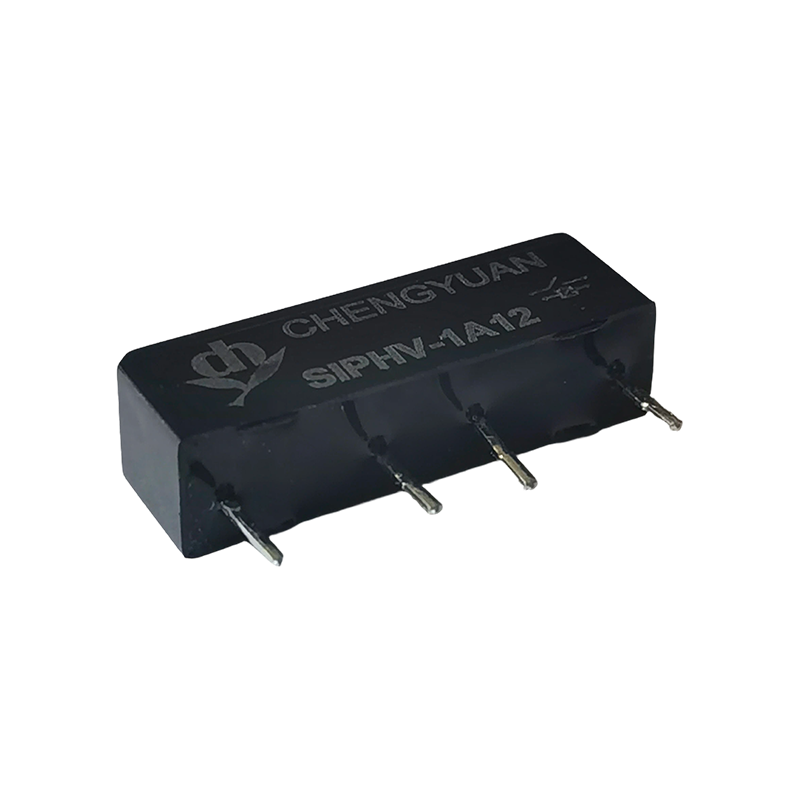
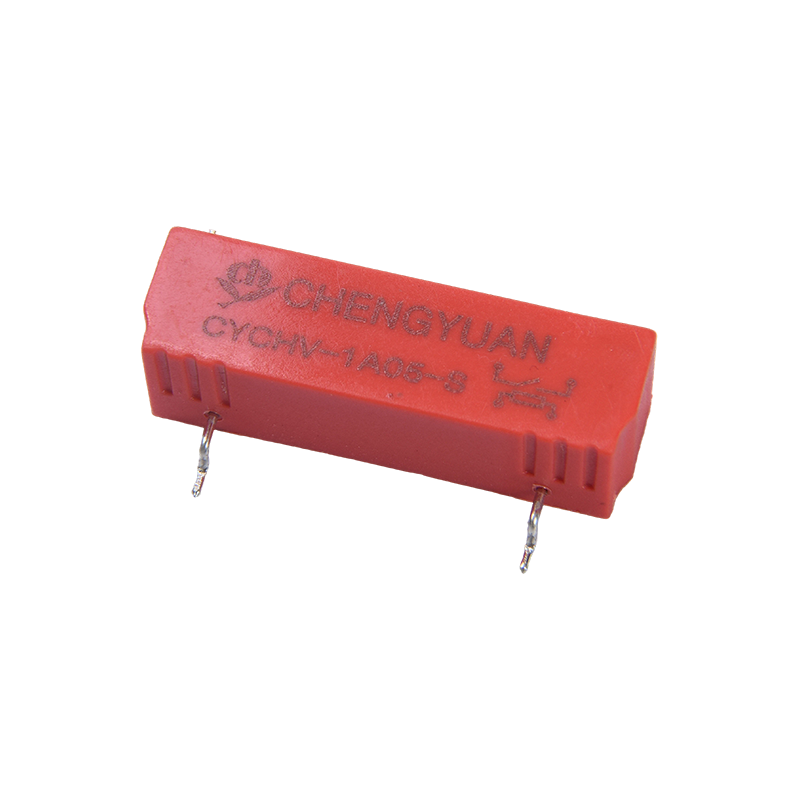
A Reed relay is used wherever a circuit needs to switch a signal with minimal contact resistance, near zero leakage current and reliable electrical isolation, which is why it shows up across automatic test equipment, medical devices, RF and microwave systems, industrial automation, security systems and instrumentation. According to Power Electronic Tips, reed relays are capable of switching speeds up to 1 kHz and can deliver billions of operations thanks to their hermetically sealed contacts, which stay unaffected by dust, moisture and contamination that would degrade an open contact switch over the same service life. This combination of speed, precision and long term reliability is the core reason reed relays remain the default choice for applications where signal accuracy matters more than raw switching power.
Why the Sealed Contact Design Matters
The defining feature of a reed relay is its hermetically sealed reed switch, where two ferromagnetic contact blades are enclosed inside a glass capsule filled with inert gas. Power Electronic Tips notes that this sealed construction means the contacts are unaffected by, and do not affect, their external environment, which keeps arcing and contamination to a minimum compared with open frame relay designs. This sealed architecture also gives reed relays a very low circuit board footprint through miniature DIL and SIL packages, along with lower coil power consumption than competing electromechanical devices, making them well suited to compact, battery powered and densely packed circuit designs.
Automatic Test Equipment: The Largest Application Category
Automatic test equipment, commonly called ATE, is one of the most demanding and widely cited applications for reed relays because test systems require both extremely high cycle counts and very clean signal switching. A technical illustration published by reed relay application engineers shows why this matters in practice: an ATE system running continuously with a five year projected service life, performing ten tests per minute at four relay closures per test, accumulates roughly 103 million relay closures over its lifetime, well within a reed switch's typical rated life that can exceed one billion cycles depending on the switched load. Reed relays used for ATE and data acquisition applications are commonly specified with low thermal EMF under 3 microvolts and long term contact resistance stability of about plus or minus 5 milliohms over ten million operations, according to reed relay selection guidance published for PCB design engineers.
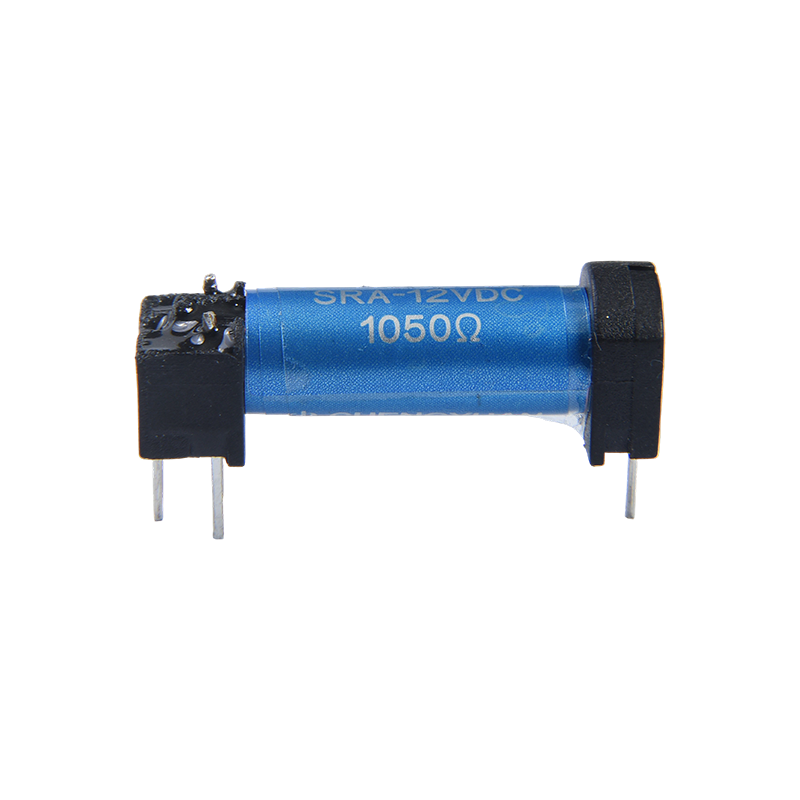
Medical Equipment and Safety Critical Switching
In medical devices, the reed relay's true galvanic isolation is not just a performance advantage, it is often a safety requirement. Application guidance on medical equipment design notes that reed relays are used extensively in defibrillators, electrosurgical generators and medical monitoring and controlled treatment equipment, where the relay must operate reliably when required and remain fail safe even if the lower voltage control circuitry develops a fault. Reed relays built with higher than usual coil resistance are also commonly specified for battery powered and portable medical equipment, since the lower current draw extends battery life without sacrificing switching reliability. Reed relays are additionally used in the automatic test equipment employed for quality assurance during medical device manufacturing itself, giving them a role on both sides of the medical device lifecycle.
RF and Microwave Signal Switching
Reed relays are also widely used to route radio frequency and microwave signals in communications and test equipment. Patent documentation on reed switch packaging notes that some reed relay applications require switching signal frequencies in excess of 500 MHz, with current reed relay designs able to operate up to the 8 to 10 GHz range, and ongoing engineering work aimed at extending that range further toward 18 GHz. This makes reed relays a practical choice for RF test benches, communications equipment and any circuit board design where a switch needs to preserve signal integrity at high frequency without introducing significant insertion loss, provided the specific relay package is selected for RF performance rather than a general purpose signal design.
Industrial Automation, Security and Instrumentation
Beyond test and medical applications, reed relays serve a broad range of general industrial and safety roles. Utmel's overview of reed relay applications lists automatic test equipment, RF and microwave switching, medical equipment, automotive electronics, industrial control, alternative energy systems, instrumentation, communications, smart home security and signal processing among the ten most impactful application categories in current use. Position and speed sensing is a particularly common use case, appearing across security systems, fire and safety equipment, telecom infrastructure and process control systems, where a reed relay's no leakage off state and hermetic sealing make it well suited to sensing applications that must remain reliable over long unattended service periods.
Common Reed Relay Application Areas
- Automatic test equipment and data acquisition systems requiring high cycle life and low signal distortion
- Medical devices including defibrillators, monitoring equipment and portable diagnostic tools
- RF and microwave switching for communications and test bench applications
- Industrial automation, including PLC input and output modules and process control systems
- Security, fire and safety systems using position or proximity sensing
- Battery powered and portable electronics where low leakage and low coil power matter
Key Specifications to Check by Application
| Parameter |
Typical Range |
Why It Matters |
| Switching Voltage |
200V to 500V DC |
Determines suitability for high voltage test and industrial circuits |
| Switching Current |
0.5A to 3A |
Sets the safe load range for the application |
| Contact Resistance |
50 to 200 milliohms |
Affects voltage drop accuracy in precision analog and 4 to 20mA loops |
| Switching Speed |
Up to 1 kHz |
Critical for high throughput ATE and multiplexing applications |
Reed Relays vs Solid State Alternatives
For high voltage and precision measurement applications, reed relays are frequently compared against solid state relays, and each technology has a distinct advantage profile. Reed relays offer true galvanic isolation with zero leakage current and negligible contact resistance, which prevents the relay itself from introducing measurement error, a property that is essential for automatic test equipment, semiconductor test and data acquisition systems where accuracy directly determines product quality. This same physical isolation is why safety critical devices such as defibrillators and MRI systems rely on reed relay switching rather than semiconductor based alternatives, since fail safe isolation in these applications cannot depend on the integrity of a semiconductor junction. Reed relays also tend to minimize total system cost and design complexity in low to medium volume production runs that use simple drive circuits, compared with the more complex drive requirements of many solid state switching designs.
Choosing the Right Reed Relay for Your Application
- Match switching voltage and current to your load, leaving margin for any surge or inrush conditions
- Specify gold plated contacts for low level signal and precision measurement applications
- Check contact resistance and thermal EMF specifications for ATE, DAQ and precision analog circuits
- Choose shielded coil designs in high EMI environments to prevent false triggering
- Confirm compliance with relevant standards, such as UL508 or IEC 61010 for industrial automation, or applicable medical device safety standards for healthcare equipment
Reed relays are used across automatic test equipment, medical devices, RF and microwave systems, industrial automation and security applications because their hermetically sealed contacts deliver a rare combination of very low contact resistance, near zero leakage, fast switching speeds up to 1 kHz and cycle life that can exceed one billion operations. These same properties are what make galvanic isolation from a reed relay essential in safety critical devices and precision measurement systems where a semiconductor switch could introduce error or fail unsafely. A properly specified Reed relay gives engineers a dependable way to switch sensitive signals accurately, whether the application is a high throughput test system, a portable medical device or a compact industrial control panel.

 English
 中文简体
中文简体 Español